

India has gone on alert following the reporting of new Nipah virus cases, prompting health authorities to reinforce surveillance, containment, and public awareness measures. While such cases are typically limited in number, the seriousness of the virus means even isolated infections are treated with urgency.
Nipah virus outbreaks in India have historically been handled through swift intervention, and the current response reflects the same level of caution and preparedness.
Understanding the Nipah Virus
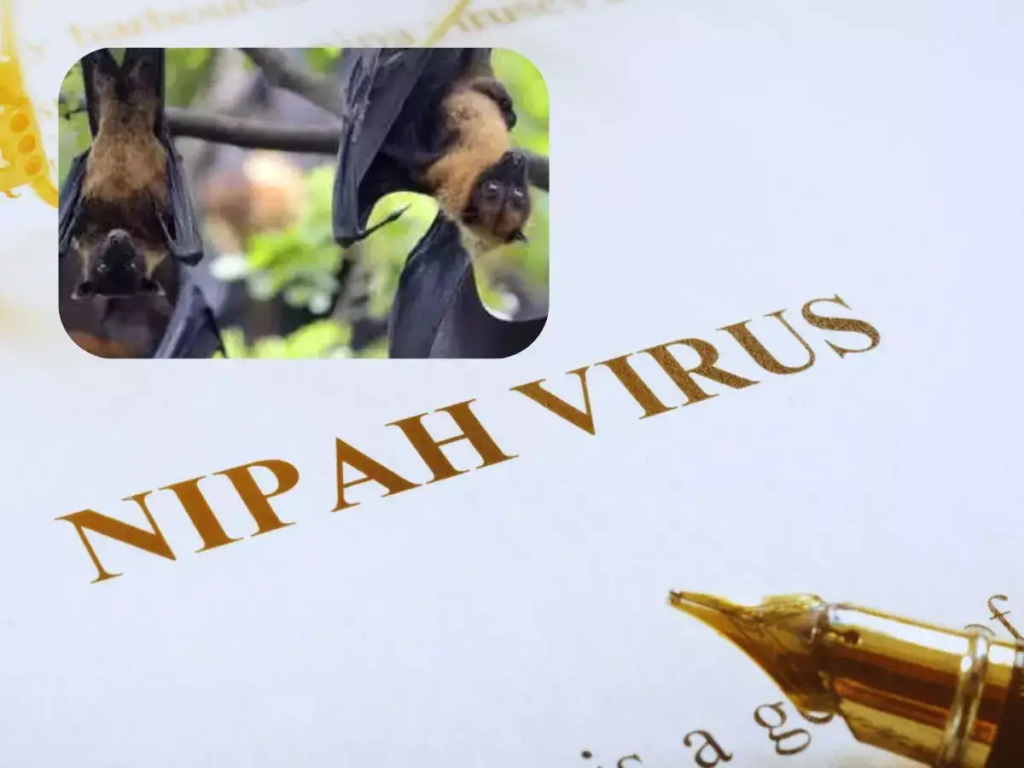
Nipah virus is a rare but potentially fatal zoonotic infection, meaning it can spread from animals to humans. Fruit bats are considered the natural carriers, and transmission can occur either directly from animals or through close contact with infected individuals.
The virus affects the brain and respiratory system and can lead to severe complications if not detected early. Due to its high fatality rate, Nipah is classified as a priority pathogen by global health agencies.
Why Authorities Are on High Alert
Whenever Nipah cases are reported, health departments move quickly to prevent further spread. This includes isolating confirmed patients, tracing contacts, monitoring symptoms among those exposed, and strengthening hospital infection control practices.
These measures are precautionary but essential. Past experience has shown that early containment plays a critical role in preventing wider outbreaks and protecting both healthcare workers and the general public.
Symptoms That Require Attention
Early symptoms of Nipah virus infection can be mild and easily mistaken for common illnesses. This makes awareness especially important.
Common symptoms include:
- Fever and headache
- Muscle pain and fatigue
- Nausea or vomiting
- Sore throat or cough
In more severe cases, the infection may progress to confusion, breathing difficulties, seizures, or unconsciousness. Anyone experiencing symptoms after possible exposure should seek medical care immediately.
Public Advisory and Preventive Measures
Health authorities generally advise the public to remain calm but vigilant. Simple preventive steps can significantly reduce risk.
Recommended precautions include:
- Avoid consuming fruits that may have been exposed to bats
- Wash hands regularly and maintain good hygiene
- Avoid close contact with individuals showing flu-like symptoms
- Follow instructions issued by local health departments
People are also encouraged to rely on verified sources of information rather than rumors or social media speculation.
The Role of Public Cooperation
Managing infectious disease alerts depends not only on medical systems but also on public cooperation. Reporting symptoms early, following quarantine guidance when advised, and avoiding panic are all crucial components of an effective response.
Equally important is showing empathy toward affected individuals and healthcare workers, who are often under intense pressure during such situations.
Final Thought
India’s alert following the reporting of new Nipah virus cases reflects preparedness rather than panic. While the virus is serious, experience has shown that timely action, transparent communication, and informed public behavior can successfully limit its impact. Awareness, responsibility, and calm cooperation remain the strongest tools in managing health alerts.
This article is for informational purposes only and does not constitute medical advice. Nipah virus situations can change rapidly. Readers should follow updates and guidance issued by official health authorities and consult qualified healthcare professionals for medical concerns.
#NipahVirus #IndiaHealthAlert #PublicHealthAwareness #VirusUpdate #HealthSafety #InfectiousDiseaseAlert #StayInformed #Anslation #Carrerbook

How to Improve Physical Wellness in 2026: Healthy Habits & Lifestyle Tips
The reality is much simpler. Physical wellness is largely about taking reasonable care of your…

Relationships & Social Life 2026: Practical Guide to Better Connections, Communication & Happiness
There is something interesting about relationships. We can have hundreds of people in our contacts,…

Best Places to Visit in 2026: Ultimate Travel Destinations Guide
Let’s be honest: most travel bucket lists are just digital graveyards of saved Instagram reels…

Best Spiritual Wellness Practices 2026: Mindfulness, Reflection & Inner Growth
Spiritual retreats and healing holidays are among the fastest-growing wellness travel trends in 2026. As…

Daily Motivation 2026: Powerful Ways to Stay Inspired, Focused & Positive
We all face times when we need a little encouragement and motivation to keep going….

Daily Life & Routines 2026: Simple Habits for a Better Everyday Life
Life can feel busy even when you haven’t done anything particularly unusual. You wake up,…