
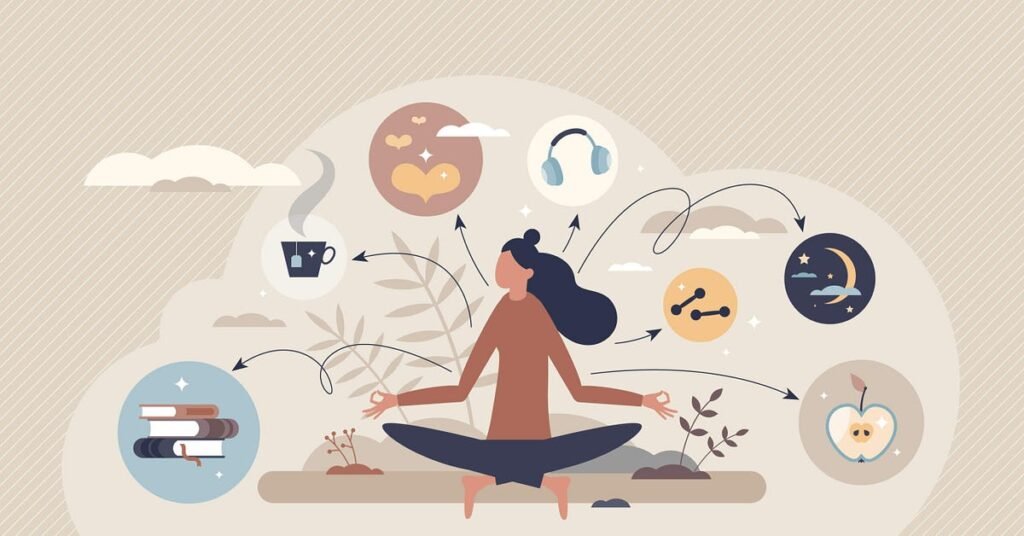
Spiritual retreats and healing holidays are among the fastest-growing wellness travel trends in 2026. As more people look for ways to reduce stress, improve mental clarity, and reconnect with themselves, these experiences offer a powerful and lasting solution.
Unlike traditional holidays, spiritual retreats focus on long-term well-being, combining mindfulness, movement, nutrition, and emotional healing in carefully designed, tranquil environments.
A spiritual retreat is a dedicated experience where individuals step away from their daily routines to focus entirely on their mental, emotional, and physical well-being. These retreats are masterfully designed to create space for reflection, clarity, and personal growth.
Spiritual retreats are completely redefining modern travel by shifting the focus toward well-being, personal transformation, and long-term health.
From the jungles of Kamalaya in Thailand and COMO Shambhala in Bali, to the ancient wisdom of Vana and Ananda in India, the European elegance of Euphoria in Greece and Preidlhof in Italy, and the natural connection of House of AïA in Mexico. These destinations represent the most powerful wellness experiences available today.
With the guidance of experts such as Healing Holidays, it is now easier than ever to find the perfect retreat that supports your personal journey toward balance, clarity, and profound inner growth.
WHAT IS SPIRITUALITY?
Spirituality is being interested in your spirit or soul and non-physical phenomena, as opposed to the material or physical dimensions of the world.
As human beings, we have many dimensions. Our spirit or soul is just one of our dimensions. The most obvious dimension is our physical dimension. It’s an easy dimension to grasp; we cannot deny that our physical body is real. We can touch it, see it, and smell it!
But spirituality is different. It’s not so obvious. It’s more subtle and can’t be seen. But neither can our emotional dimension, and we all know what that’s about.
Spiritual practices help us get back in touch with our spiritual dimension so that it feels more tangible. They lead us to form a deep connection with our spirit or soul. They help reorient us away from the dramas of the ego and back to our true self, which is stable, secure, and fundamental. As a result, we feel more balanced and experience more well-being and inner peace.
TYPES OF SPIRITUAL PRACTICE
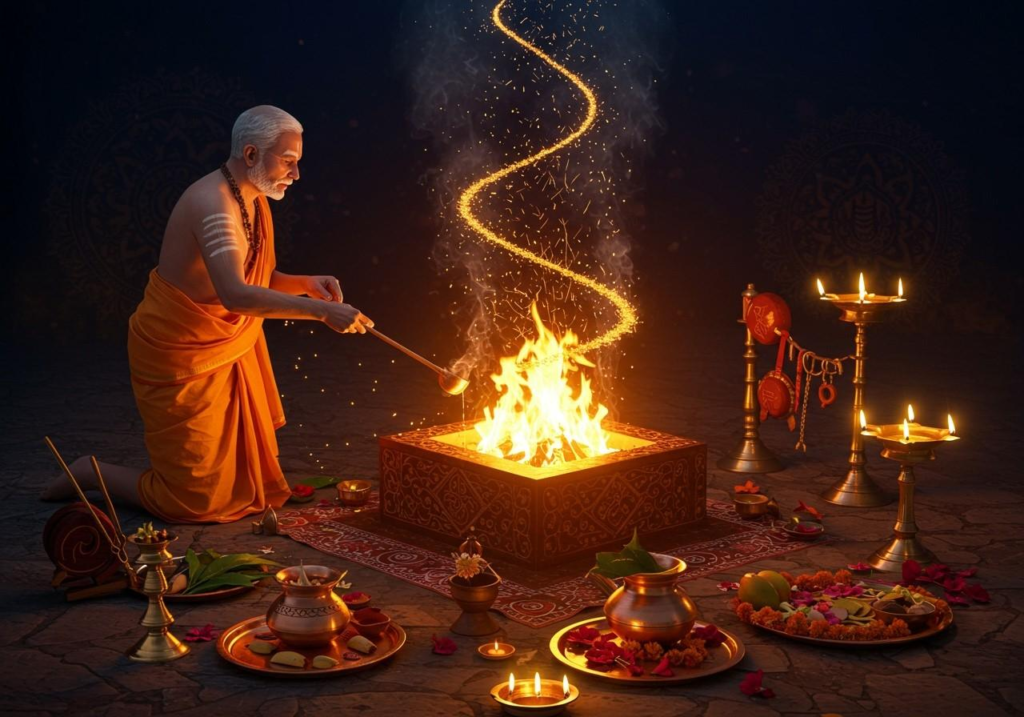
- Contemplative Practices Focus on inner reflection and awareness, such as meditation, mindfulness exercises, or silent contemplation to cultivate peace and insight.
- Devotional Practices Involve expressions of faith and connection to the divine, like prayer, chanting mantras, or devotional singing (bhakti) to foster love and surrender.
- Ritualistic Practices Structured ceremonies and symbols for transformation, including sacraments, lighting candles, or seasonal observances like solstice rituals.
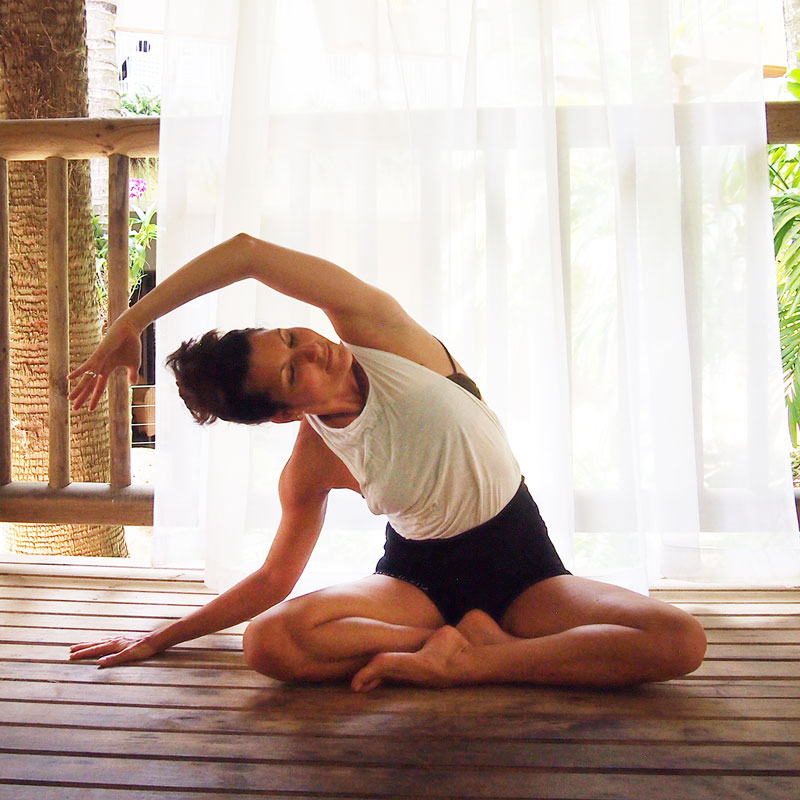
- Embodied Practices Integrate the body for spiritual growth, such as yoga, tai chi, sacred dance, or breathwork, to harmonise physical and energetic states.
- Service-Oriented Practices Emphasise compassion and action in the world, such as selfless service (seva), volunteering, or ethical living, to embody spiritual values through deeds.
ANCIENT WISDOM AND SPIRITUALITY
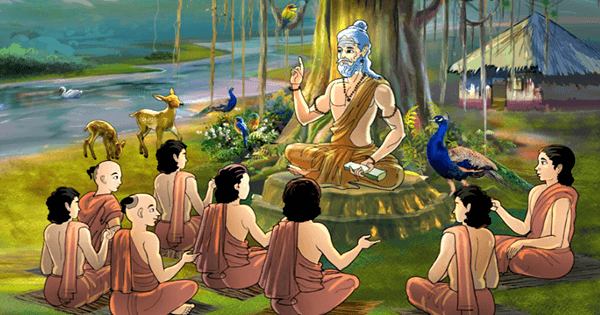
Ancient wisdom, spiritual traditions, and even newer spiritual movements offer powerful insights into the human experience and the nature of reality. Disciplines like yoga, tai chi, martial arts, and meditation have supported physical, mental, and spiritual well-being for thousands of years. Other practices—such as tarot, creative expression, and intuitive art—invite introspection, connection, and growth.
By engaging with spiritual systems from different cultures, you deepen your understanding of yourself and your place in the world. These traditions can also offer community and belonging, whether you practise with others or express your spirituality through art and ritual.
Through ancient wisdom and modern spiritual practices, many people feel a sense of continuity across past, present, and future—an experience of connection with something larger, often described as the divine.
UNDERSTANDING SPIRITUAL LIFE
Spirituality is a lifelong journey, not a destination. It involves engaging with various spiritual disciplines to cultivate a deeper understanding of oneself and the world.
Creating a spiritual life with spiritual practices gives us an anchor in this chaotic world. Practices and spiritual disciplines such as mindfulness meditation, yoga, prayer, and study, while transcendent in nature, actually ground us in the present moment. They foster connection to the physical body as well as the spirit. They help us as spiritual beings to live in a physical body with harmony and inner peace.
It’s as if our spiritual dimension holds space for all our other dimensions. And this is where our inner peace comes from. When we rest in the spiritual dimension, everything just seems to flow. Our daily life becomes a spiritual life.
What Is Spiritual Health?
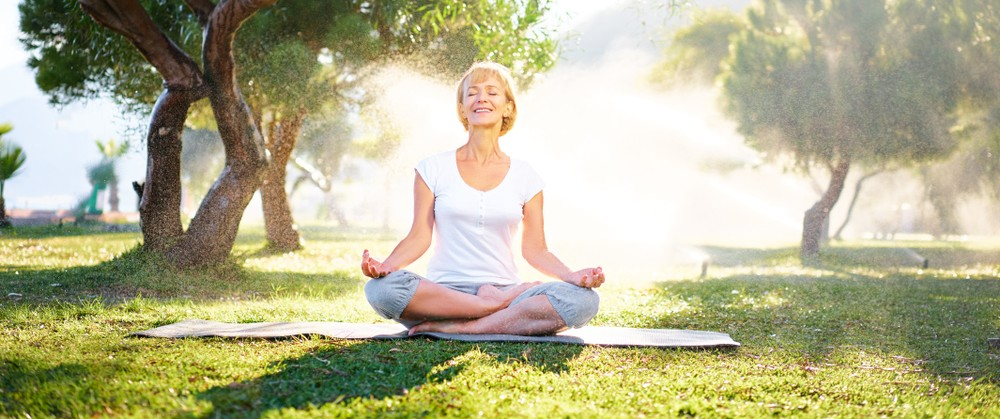
To define spiritual health in simple words, it is a connection between you and your higher self. It is not necessarily about religions or ritualistic beliefs. It is a personal journey of understanding the mental and emotional blueprint inside you and the unique lenses you wear through which you look at the world — interpreting events and making decisions.
Have you come across a person who is grounded and at peace during testing times? As though their brain is miraculously wired to deal with life’s challenges with optimism and grace. And then there are others who are directionless, easily get overwhelmed and bitter when they face chaos or any obstacles. It is just that the first has a sense of purpose, a clear value system and a deep inner connection — hallmarks of great spiritual health. Whereas the other is simply disconnected from their higher self, making them vulnerable to life’s challenges. Now, let us take a look at how to improve your spiritual health
The ways to improve spiritual health are by:
- Making consistent efforts to stop looking outwards and taking time out to go inwards.
- Patiently forging a bond with your inner higher self.
- Getting an understanding of your inner framework of your world and the role you need to play in it.
- Being able to cut yourself away from outside chaos and find moments of silence, leading you to inner peace.
- And slowly, with time and practice, unravelling your core purpose, meaning, and personal values that will define your place in the world and help you to navigate through this journey of life.
The Connection Between Mindfulness and Spiritual Health:
Now that we have already established the spiritual health definition, let us gain an insight into Mindfulness and spirituality and understand their relationship.
There is a deep-rooted connection between spiritual health and Mindfulness. They both involve raising your awareness and being present in the moment.
Mindfulness is training your mind to be present in the moment, relishing and savouring each experience. Over time, through practice, you become more aware, as though clearing a foggy window and getting clarity on what gives your life meaning and how to connect or deal with the outer world. These discoveries strengthen your spiritual health. This connection explains how mindfulness helps spiritual well-being by deepening awareness and creating space for stillness.
Spiritual health is about discovering your core values, purpose, and sense of connection. A strong sense of spiritual health can deepen mindfulness practice because you are still and connected with divine energy.