

Building a healthier life does not require dramatic overhauls or expensive interventions; it begins with small, consistent, and intentional daily choices. This guide explores 10 healthy habits that form the foundation of a healthy lifestyle, explains the science behind each one, and shows how working with a health coach can help you build good habits for healthy living that last a lifetime, no matter where you are starting from.
There are many ways to maintain a healthy lifestyle. Tips range from maintaining a moderate weight and eating nourishing foods to getting enough physical activity and quality sleep.
What is Healthy Living?

Define healthy living and you’ll find it means different things to different people. At its core, healthy living is a holistic approach to wellness that encompasses physical health, mental well-being, emotional balance, and social connections.
Physical Health: Taking care of your body through nutritious food, regular movement, adequate sleep, and avoiding harmful substances like excessive alcohol and tobacco.
Mental Health: Managing stress, practicing mindfulness, engaging in activities that challenge your brain, and seeking help when needed.
Emotional Well-being: Understanding your emotions, building resilience, maintaining healthy relationships, and practicing self-compassion.
Social Connections: Nurturing meaningful relationships and being part of a community.
Purpose and Fulfillment: Engaging in activities that give your life meaning.
Understanding how to live a healthy life starts with recognizing that wellness isn’t just about physical fitness. It’s a balanced approach that addresses all aspects of your well-being. The beauty of healthy living is its flexibility. What works for someone else might not work for you, and that’s okay. The goal is finding sustainable healthy living habits that fit your lifestyle.
How to Live a Healthy Life: A Step-by-Step Guide
Maintaining a healthy lifestyle becomes manageable when broken into steps:
Step 1: Assess Your Current Habits – Honestly evaluate your lifestyle. What’s working? What needs improvement?
Step 2: Set Realistic Goals – Choose 1-2 specific goals. “Walk 20 minutes three times weekly” is actionable.
Step 3: Make One Change at a Time – Add one healthy living habit at a time. Once it becomes automatic, add another.
Step 4: Create a Supportive Environment – Stock your kitchen with healthy foods. Keep workout clothes accessible.
Step 5: Track Your Progress – Use a journal or app to monitor your habits. Seeing progress motivates continued effort.
Step 6: Find Accountability – Share goals with friends or family. Accountability increases success rates.
Step 7: Be Patient and Kind to Yourself – Progress isn’t linear. Self-compassion supports sustainable healthy living better than self-criticism.
Step 8: Adjust as Needed – If something isn’t working, modify it. Healthy living habits should fit your life, not make you miserable.
Here are a few simple activities that will help you become more mindful of caring for yourself:
- Monitor your energy.
Take your energy “temperature” at various points throughout the day, assigning it a number from 1 to 10, with 10 being the highest energy level. Pay attention to the details of your day so you can identify the people or events that impact you the most. - Make incremental changes.
Once you are aware of some of the people or events that sabotage your energy, consider your next steps. Rather than tackling everything at once, choose an area that is important to you, and be realistic with the goals you set. For instance, if disorganization in your home is a big source of daily stress, pick one cabinet, closet or drawer to clear out each week instead of overwhelming yourself with doing it all at once. Then move on to your next goal when you feel ready. - Plan and prioritize.
Take note of the times during the day when your energy levels tend to be the highest. Decide how you can take advantage of those moments by prioritizing important tasks when you are feeling fresh and productive.
Healthy Habits for a Healthier Life



Prioritise Quality Sleep
Sleep is the most underrated of all healthy habits for a healthy life. The National Institute of Mental Health and Neurosciences (NIMHANS) identify poor sleep as a primary driver of metabolic dysfunction, emotional dysregulation, and immune suppression in Indian urban populations.
Move Your Body Daily
Regular physical activity is one of the most powerful habits for health supported by medical evidence across every age group and health condition.
Eat a Balanced, Whole-Food Diet
Nutrition is the cornerstone of healthy lifestyle habits, and India’s diverse culinary traditions offer a remarkable foundation for healthy eating when practised mindfully.
Stay Adequately Hydrated
Adequate hydration is one of the simplest yet most consistently neglected good habits for a healthy life, particularly in India’s warm climate.
Practise Daily Stress Management
Chronic stress is one of the leading drivers of India’s lifestyle disease epidemic, affecting the cardiovascular, immune, endocrine, and digestive systems simultaneously, making stress management among the most critical healthy habits for healthy living.
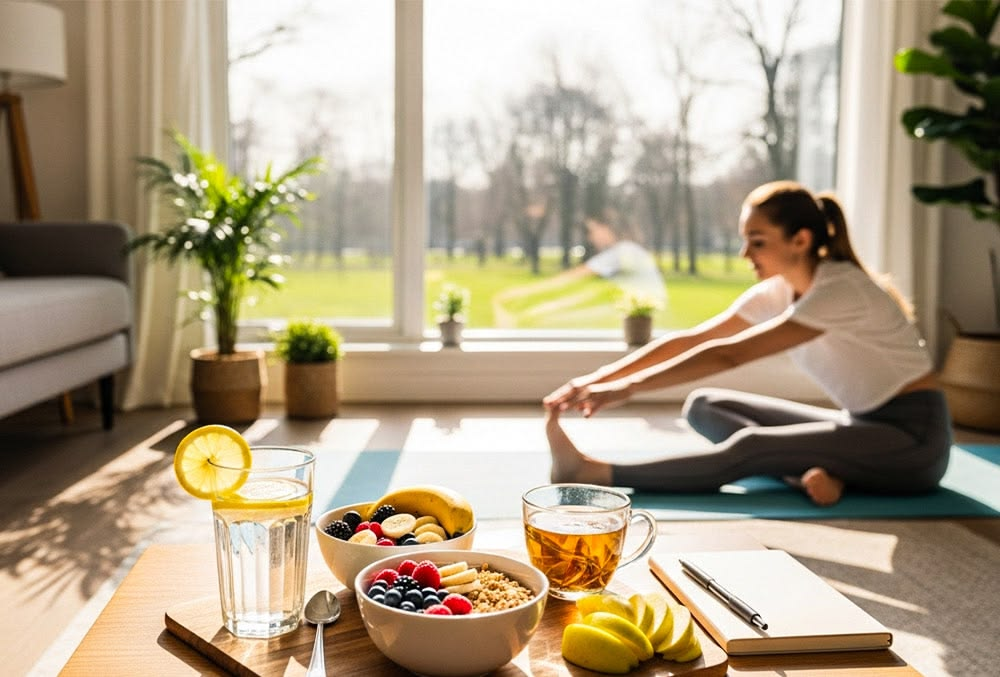
Knowing the 10 healthy habits described in this guide is one thing but building them consistently into a busy Indian life is another matter entirely. This is precisely where a qualified health coach delivers transformative value.
The Role of a Health Coach in Building Healthy Habits
A health coach works with you as a dedicated partner in building good habits for healthy living, not by prescribing a one-size-fits-all plan, but by co-creating a personalised strategy that fits your unique lifestyle, health status, cultural context, and goals:
- Personalised habit design
- Behaviour change science
- Accountability and momentum
- Cultural relevance
- Holistic integration
- Long-term sustainability
Follow these seven tips to increase your energy and live a happier, healthier, more productive life:


Eat nourishing food.
A well-balanced, healthy diet is at the core of well-being. But it’s common to regard healthy eating primarily as a tool for weight loss. According to the 2020 Dietary Guidelines for Americans, a balanced diet high in fruits and vegetables, lean protein, low-fat dairy and whole grains is needed for optimal energy. You really are what you eat.
Sleep seven to eight hours per night.
Prioritizing sleep is one of the best things you can do to set yourself up for a successful, energized day. Sleep deprivation can perpetuate serious health conditions, as well as negatively affect your mood, motivation and energy levels. Getting quality sleep is a healthy habit many people need to improve.
Keep company with good people.
Maximize the amount of time that you spend with people you enjoy being around. Connecting with others who radiate positivity and have similar interests will excite and energize you.
Avoid news overdose.
Consuming news is an important way to stay connected to what’s happening in the world. It can be educational, entertaining and even uplifting.
Get regular exercise.
Do you find yourself feeling lethargic halfway through the day? Have you ever gotten winded by simple everyday duties, such as grocery shopping or household chores? The Department of Health and Human Services recommends that adults complete at least 150 minutes of moderate intensity physical activity each week. Contrary to what you might believe, this will add to your energy account and not subtract from it.
Simple Daily Practices for a Healthier Life
- Healthy lifestyle habits play a vital role in improving long-term health and overall well-being.
- These 10 healthy habits include quality sleep, balanced nutrition, regular exercise, hydration, stress management, and social connection.
- Good habits for a healthy life are built through consistency and small daily improvements.
- Habits for health become easier to maintain when repeated regularly and supported by positive routines.
- Healthy habits for a healthy life should be personalised to match your lifestyle, health needs, and goals.
- Good lifestyle habits create lasting benefits by improving both physical and mental well-being over time.
- Healthy habits for healthy living are easier to sustain with professional guidance and accountability.
- A health coach helps turn healthy habits for healthy living into practical, long-term lifestyle changes.