
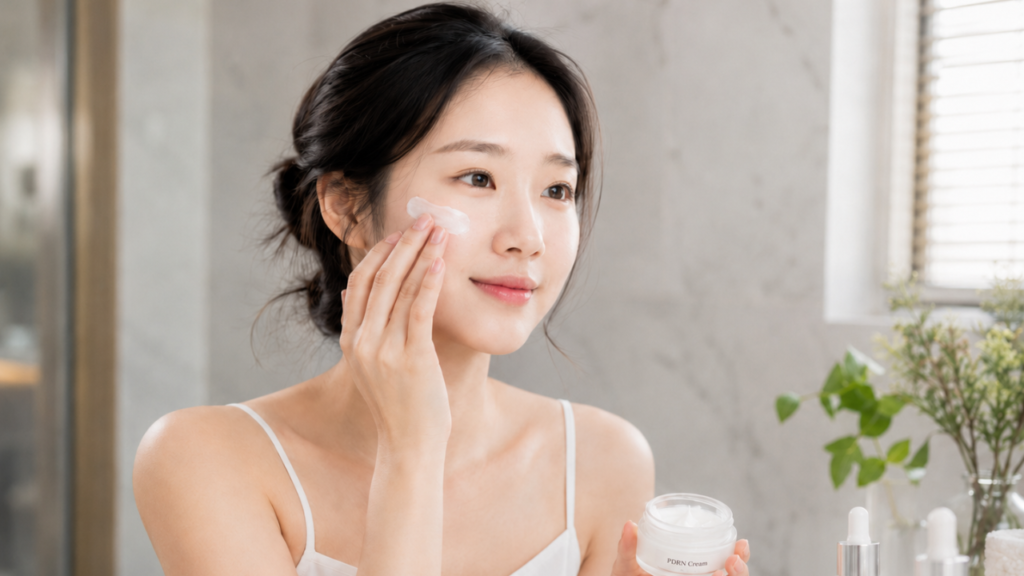
Self-Care Month starts on 24 June.
This year’s theme is: Self-Care puts your health in your hands: Test. Track. Thrive.
Test – when you need a baseline. To help maintain and improve your health and well-being, you need a clear picture of where you are now.
Track – when you want to see any patterns and introduce/increase self-care actions like eating healthily, exercise and getting enough sleep.
Thrive –live with confidence and watch your health bloom.
The Growth of Personalized Retreats
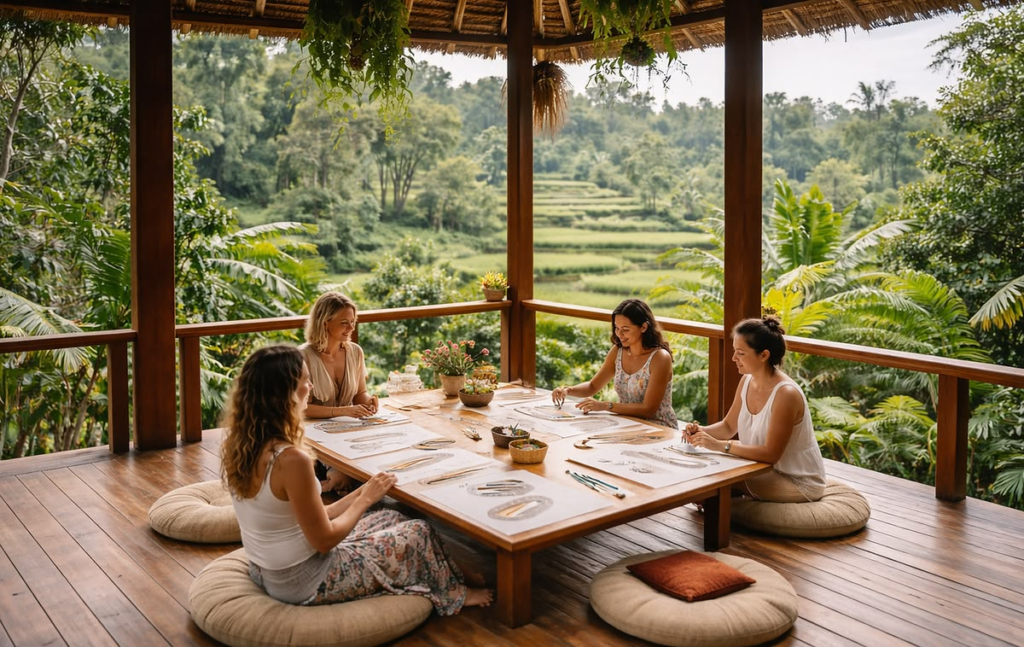
Along with fitness activities, McKinsey & Company’s states that more consumers have been seeking wellness retreats in their travel experiences; experts predict that trend will continue to grow into next year—but with a twist. Laura Montesanti, founder oftells Vogue that 2026 wellness retreats are all about personalization. Instead of a set schedule and activities with no wiggle room, retreats will start to cater to your wants and needs. “Tailoring programs to each individual’s body, mind, and lifestyle ensures results that feel both authentic and lasting,” Montesanti says. “Practitioners are merging holistic and medical approaches, using pre-arrival assessments and health diagnostics to design bespoke journeys.”
Another growing focus for retreats next year will be emotional wellness. She says we’ll be seeing more programs dedicated to burnout recovery, grief, and emotional regulation.
Personal Care Trends: Redefining Beauty, Wellness & Sustainability
Today’s consumers are not just looking for products that make them look good, they want solutions that feel good, do good, and last long. The personal care industry is entering 2026 with a bold new mindset, one that blends science, self-care, and sustainability.
Analysts predict that the global beauty and personal care market will continue to expand at a CAGR of around 4.5% to 5% from 2025 to 2030. The Asia-Pacific region, especially India, China, South Korea, and Japan, is becoming the growth engine of the global beauty market. A young, tech-savvy population combined with a deep interest in natural ingredients and modern innovation is pushing regional demand.
Effect of Social Media Engagement and Beauty Influencers
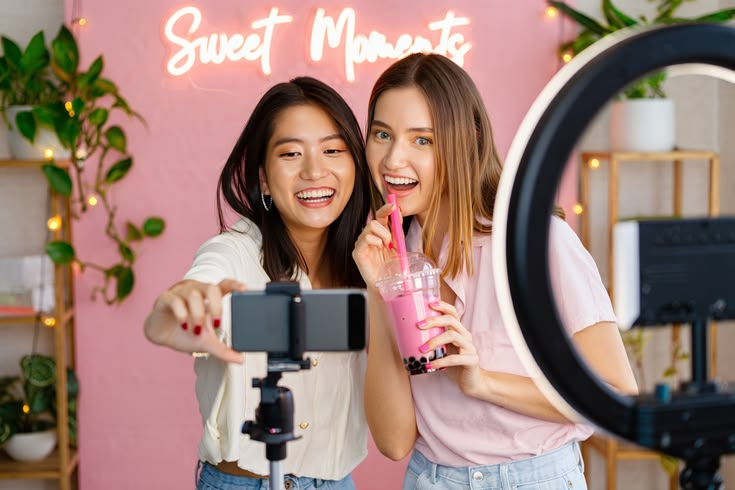
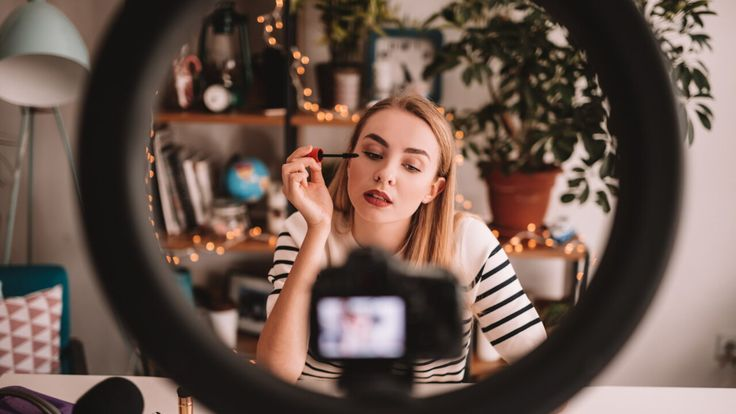
In today’s digital era, social media has transformed the way consumers interact with beauty and personal care products. In 2026, social media engagement and influencer collaborations are no longer optional, they are critical for growth, visibility, and staying relevant in the highly competitive personal care market.
- Product Discovery & Awareness: Social media provides consumers with instant access to new products, trends, and reviews. Visual platforms and short-form videos allow users to see products in action, compare results, and explore alternatives, all in real-time.
- Peer Influence & Authentic Recommendations: Consumers trust real experiences shared by peers and influencers more than traditional ads. Authentic reviews, tutorials, and personal stories help buyers understand product benefits and make confident purchase decisions.
- Engagement & Emotional Connection: Interactive social media features like live Q&A, polls, and stories allow consumers to connect directly with brands.
Beauty Meets Wellness
The line between looking good and feeling good is disappearing. Gen Z consumers now rank appearance as their third-highest wellness priority, up from sixth place just two years ago.
This trend manifests in several ways. Ingestible beauty supplements like collagen gummies and biotin tablets are gaining popularity. More consumers are seeking preventative cosmetic procedures at younger ages. Beauty products increasingly feature active wellness ingredients like CBD and arnica for their health benefits.
Social media has accelerated this trend, with younger consumers more likely to purchase beauty-wellness products after seeing them online.
In-Person Wellness Experiences Are Back
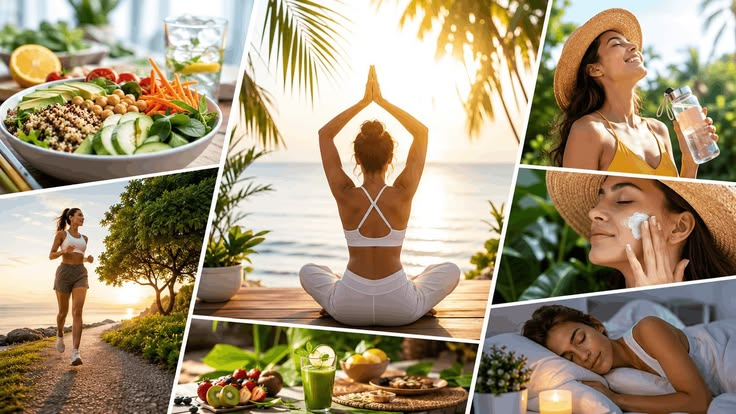
After years of digital fatigue, consumers are craving real-world wellness experiences. McKinsey’s research shows that 56% of in-person service purchasers traveled two or more hours specifically for wellness retreats, and nearly 60% plan to do so again.
Thailand wellness retreats have become particularly attractive destinations for those seeking authentic healing traditions combined with modern spa amenities. The appeal lies in experiences that offer genuine cultural immersion alongside therapeutic benefits.
Yunomori Onsen & Spa exemplifies this trend perfectly. As Southeast Asia’s first authentic Japanese onsen, Yunomori blends time-honored Japanese thermal bathing traditions with Thai healing culture. With locations in Bangkok (Sukhumvit and Sathorn), Pattaya, and Singapore, this wellness spa offers urban dwellers an accessible escape from city life.
The experience combines mineral-rich onsen baths known for their therapeutic thermal effects with traditional Thai and aromatherapy massage treatments. Benefits include stress relief, detoxification, and deep muscle relaxation. For those interested in authentic thermal therapy without traveling to Japan, Yunomori provides a genuine onsen experience right in the heart of Thailand.
What makes this trend significant is the desire to digitally detox and learn wellness skills that last beyond a single visit, such as meditation techniques, nutritional habits, or relaxation practices.
Consumer health is on the decline
In 2021, Americans were dealing with the tail end of the pandemic, but consumers were fairly optimistic about their overall health. Since then, the number who say they’re in excellent health has declined by 22%, and the number who worry about their personal health frequently has risen by 17%. The US health care system has long been health benefits and insurance are a luxury to many, and so now Americans are changing their approach to managing their health.
Since the end of 2020, we’ve seen upticks in various health conditions, with more Americans saying they’ve experienced or are currently experiencing chronic or severe pain (+38%), depression (+37%), backache (+24%), and high blood pressure (+11%).
The fact is many consumers are starting to see their health as an investment, with the catchy phrase “health is wealth” regularly used by the media, and they need tools to help them manage these issues. The self-care industry has also become a huge market, one that all kinds of brands can tap into.
Consumers are tracking data on their physical, digital, and mental health
A decade ago a step count on a phone was exciting, but then technology brands put numbers on everything. How far you’ve walked, how many sets of stairs you’ve climbed,
your heart rate while walking,
how this has changed over the last week, the last month, the last year? You get the idea.
A large part of this change is the rise in smartwatch ownership. In 2015, just 12% of consumers in the UK/US owned a smartwatch or smart wristband.
Today, the figure is at 37%. To give context to just how big a shift this is,
the size of the growth in US ownership is roughly equivalent to the total population of Colombia, South Korea, or Spain.
Sunscreen Becomes the “STAR” of Skincare
Among the latest skincare trends, sunscreen has become the real hero of every routine. You’ve probably even heard friends talking about tinted sunscreen—basically, sunscreen that comes in shades to match your skin tone.
Sounds interesting, right? But do you really need it, especially when you already have makeup in all your perfect shades?
So, let’s start a new trend and an effective skincare trend, let’s bring serum sunscreen above to improve the skincare by tackling dual concerns. Dermatologists and beauty experts continue to stress the importance of daily SPF use to prevent premature aging, pigmentation, tanning, and sun damage.
In 2026, DR.Rashel brings a fresh idea—don’t just hide from the sun, make it your “Dhoop friend.” And the key to that? Sunscreen.
In the Sun & Skin Affair, great Raveena Tandon, gorgeous Avneet Kaur, and top influencers share their glow secrets, showing how simple sun protection makes all the difference. The “CHARM” is that sunscreen isn’t just skincare anymore—it’s a pocket essential you carry to slay under the sun.
Sunscreens focus not only on UV protection but also on hydration, glow enhancement, and skin barrier support. This growing awareness around SPF is one of the strongest skincare trends in India, especially among urban consumers dealing with pollution and extreme heat exposure.
Sustainable and Clean Beauty Matters More Than Ever
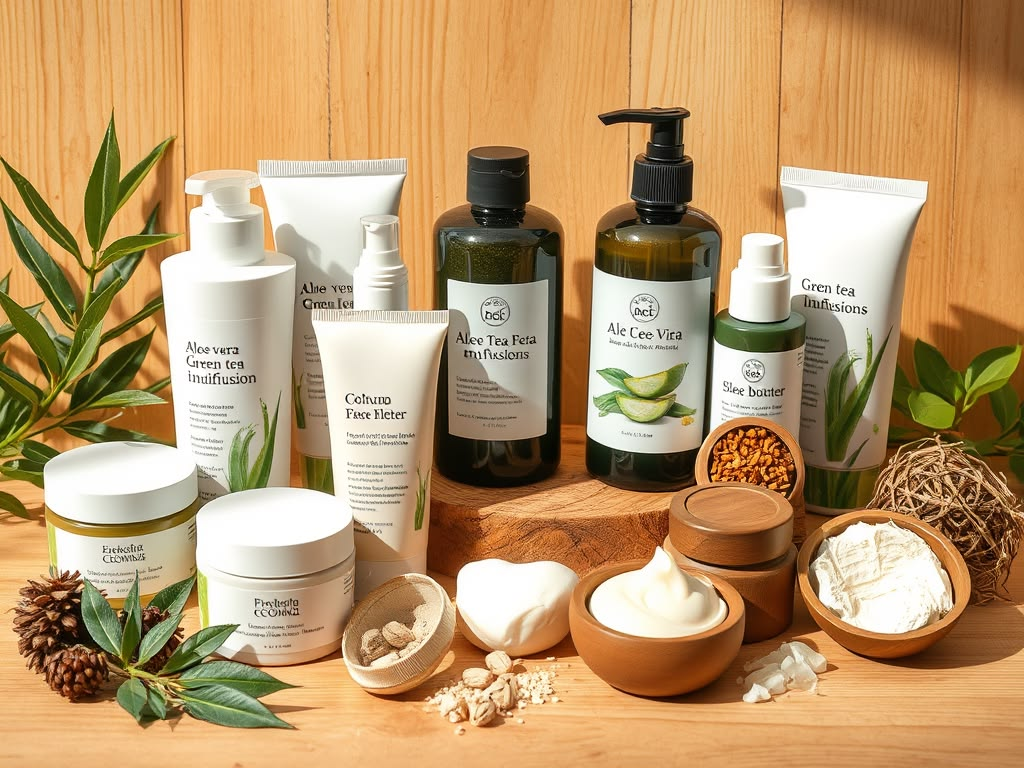
Consumers in 2026 are increasingly conscious about sustainability and ingredient safety. Clean beauty, cruelty-free skincare, recyclable packaging, and eco-friendly formulations are becoming essential factors influencing purchasing decisions.
Beauty brands are now focusing on transparent ingredient lists and dermatologist-tested products to build trust among consumers, like DR.Rashel. The future of skincare is not just about looking good—it’s also about skin health, safety, and responsible beauty practices.