

There is something interesting about relationships. We can have hundreds of people in our contacts, follow thousands of accounts online, participate in group chats, and still sometimes feel like we don’t have anyone we can genuinely talk to. Being connected has never been easier. Feeling connected, however, is a different story.
A good relationship is not built simply because two people talk every day. Friendship is not measured by the number of likes someone leaves on your posts. And having an active social life does not necessarily mean having a meaningful one.
Real connection usually comes from smaller things: listening when someone needs to talk, remembering something they told you weeks ago, respecting boundaries, being honest when something feels wrong, celebrating their good moments, and showing up when life becomes difficult.
In 2026, relationships are influenced by both real-world experiences and digital communication. We can stay in touch with someone who lives thousands of miles away, but we can also misunderstand a simple text message because we cannot hear the person’s tone.
That makes communication more important than ever. This guide explores practical ways to build stronger relationships, communicate more clearly, create healthier social connections, handle disagreements, respect boundaries, and make everyday relationships feel more genuine.
What Makes a Relationship Truly Healthy?

A healthy relationship does not mean two people will always agree.
People have different personalities, expectations, experiences, priorities, and ways of expressing themselves. Disagreements are normal.
What matters is how those differences are handled.
A healthy relationship generally gives both people room to be themselves while still creating a sense of trust, respect, and emotional safety.
Some important foundations include:
- Mutual respect
- Honest communication
- Trust
- Personal boundaries
- Emotional support
- Reliability
- Freedom to disagree
- Shared understanding
- Willingness to apologize and repair problems
A relationship doesn’t need to be perfect to be healthy.
In fact, expecting perfection can create its own problems.
Real relationships have awkward conversations, misunderstandings, disappointments, busy periods, and moments when someone gets something wrong.
What matters is whether both people are willing to work through those moments respectfully.
Connection Is More Than Constant Communication
It is easy to confuse frequent communication with genuine connection.
You might exchange messages with someone all day and still avoid meaningful conversations.
On the other hand, you may speak to an old friend once every few months and immediately feel comfortable when you reconnect.
Why?
Because connection isn’t simply about frequency.
It is about quality.
A meaningful conversation can sometimes do more for a relationship than dozens of quick messages.
Instead of always asking, “How are you?”
Try occasionally asking something more specific:
“What has been taking up most of your thoughts lately?”
Or:
“What are you looking forward to right now?”
Questions like these create space for a real conversation instead of another automatic exchange.
Learn to Listen Without Preparing Your Response

Good communication isn’t just about speaking clearly.
It is also about listening.
And real listening is harder than it sounds.
Sometimes we’re already thinking about what we’re going to say while the other person is still talking. Sometimes we immediately compare their experience with our own. Sometimes we start planning advice before we’ve understood what they actually need.
Try slowing down.
When someone tells you about a difficult experience, you don’t always have to solve it.
Sometimes they simply want to feel heard.
Instead of immediately saying:
“You should do this.”
You might say:
“That sounds really difficult. Do you want advice, or do you just want me to listen?”
That one question can completely change a conversation.
Not Every Problem Needs a Solution
This is especially important in close relationships.
When someone you care about is upset, your natural reaction may be to fix the problem.
But sometimes there isn’t an immediate solution.
Maybe they had a terrible day.
Maybe they are disappointed about something.
Maybe they simply need to talk.
Trying to solve every emotional problem can accidentally make someone feel as though their feelings are inconvenient.
Sometimes the most supportive response is simply:
“I understand why that would bother you.”
You don’t have to agree with every feeling to acknowledge it.
Say What You Actually Mean
A surprising amount of relationship tension comes from expecting people to understand things we never clearly communicate.
You may think:
“They should know I’m upset.”
But they may genuinely have no idea.
You may think:
“If they cared, they would automatically understand what I need.”
But relationships don’t come with mind-reading abilities.
Clear communication is usually kinder than silent expectations.
Instead of:
“You never care about me.”
Try:
“I felt ignored when I tried to talk about this and the conversation ended quickly.”
The second statement explains your experience without immediately attacking the other person.
That creates a much better starting point for a conversation.
Learn the Difference Between Honesty and Harshness
Being honest does not mean saying everything that enters your mind.
Honesty without consideration can become cruelty.
You can communicate the truth while still thinking about how your words will affect someone.
Before saying something difficult, consider:
- Is it true?
- Is it necessary?
- Is this the right time?
- Can I say it respectfully?
- Am I trying to solve something or simply hurt someone?
You don’t have to hide your feelings.
You can express them without using them as a weapon.
Boundaries Are Part of Healthy Relationships
The word “boundary” is everywhere these days, but the basic idea is simple.
A boundary communicates what you are comfortable with, what you are not comfortable with, and what you need in order to feel respected.
Boundaries can involve:
- Personal space
- Time
- Privacy
- Communication
- Physical contact
- Money
- Digital access
- Emotional availability
- Social commitments
A boundary isn’t necessarily an attempt to control another person.
It can simply be a statement about what you will and won’t participate in.
For example:
“I don’t want to discuss this while we’re both angry. Let’s talk tomorrow.”
That’s a boundary.
Respect Other People’s Boundaries Too
Healthy boundaries work in both directions.
You may have every right to say no.
So does everyone else.
Someone doesn’t have to answer a message immediately.
A friend may need alone time.
A family member may not want to discuss a particular subject.
A partner may have personal preferences that differ from yours.
Respecting those limits doesn’t automatically mean you agree with them.
It means you recognize that another person is allowed to have boundaries.
Saying “No” Doesn’t Make You a Bad Friend
Many people struggle with saying no because they worry about disappointing others.
They agree to plans when they’re exhausted.
They accept responsibilities they don’t have time for.
They answer messages when they desperately need rest.
Eventually, resentment can build.
A respectful “no” is often healthier than an unwilling “yes.”
You don’t always need a complicated explanation.
You can simply say:
“I won’t be able to make it this time, but thank you for inviting me.”
That’s enough.
Friendship Changes as Life Changes
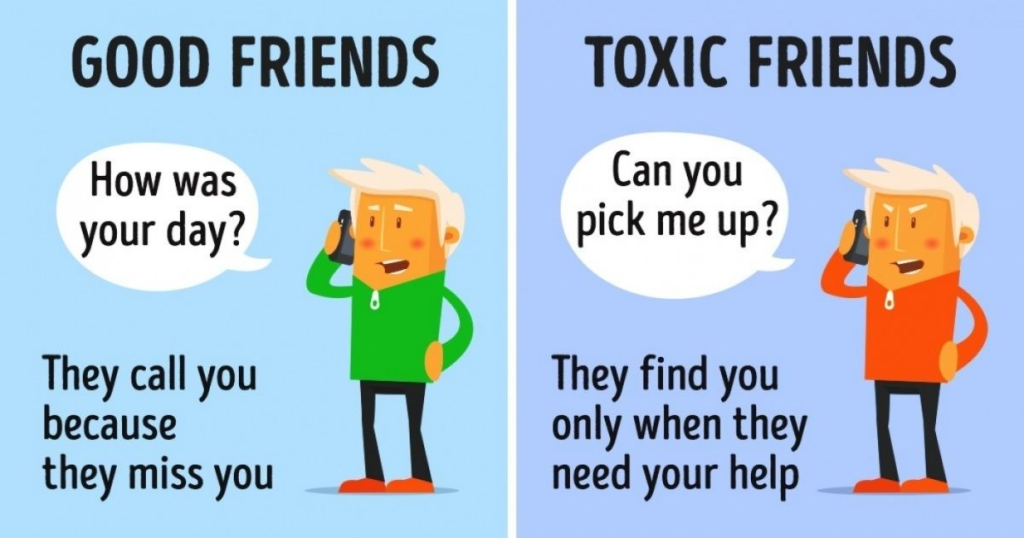
One of the hardest things about growing older is realizing that some friendships naturally change.
When you’re younger, friendship may be built around being in the same place every day.
School.
College.
A neighborhood.
A workplace.
Later, people move.
They change careers.
They get married.
They have children.
They travel.
Their priorities shift.
A friendship may become less frequent without becoming less meaningful.
Sometimes maintaining a friendship means accepting that you won’t talk every day anymore.
Quality Matters More Than Quantity
A large social circle can be enjoyable.
But you don’t need dozens of close relationships to have a fulfilling social life.
For many people, a few trustworthy connections are more valuable than a huge network of casual acquaintances.
Think about the people you can:
- Laugh with.
- Be honest with.
- Ask for help.
- Celebrate with.
- Disagree with safely.
- Sit quietly with.
- Talk to without pretending.
Those relationships are worth investing in.
Don’t Compare Your Social Life With Someone’s Highlight Reel
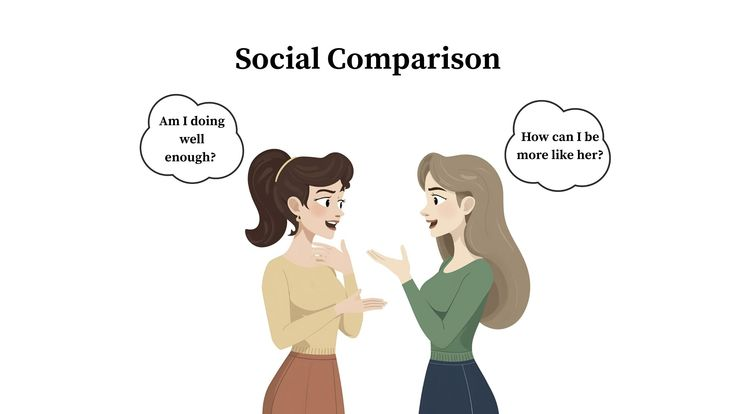
Social media can make other people’s lives look incredibly full.
You see birthdays.
Trips.
Parties.
Dinner gatherings.
Wedding photos.
Friendship groups.
Weekend adventures.
Then you look at your own life and wonder why you aren’t doing the same things.
But social media usually shows selected moments.
You don’t see the quiet evenings.
The misunderstandings.
The lonely days.
The arguments.
The canceled plans.
The complicated parts of people’s lives.
Your social life doesn’t need to look impressive online to be meaningful offline.
Digital Communication Needs Extra Care
Text messages are convenient, but they remove many things we normally rely on during face-to-face conversations.
You can’t always hear someone’s tone.
You can’t see their expression.
You may not know whether they are joking, frustrated, tired, or simply busy.
That’s why short messages can sometimes create surprisingly large misunderstandings.
If something feels emotionally complicated, consider moving the conversation to a phone call or face-to-face discussion rather than trying to solve everything through text.
Don’t Fight Through Screens If You Can Talk Calmly
Arguments over text can become messy quickly.
Someone sends a sentence.
The other person interprets it negatively.
They respond defensively.
The first person feels attacked.
Then the messages get longer.
Eventually, both people are arguing about the argument.
If a conversation is becoming emotionally intense, it can help to pause.
Say something like:
“I don’t think we’re understanding each other over text. Can we talk about this later?”
Taking a break isn’t necessarily avoidance.
Sometimes it is a way of preventing a temporary emotional reaction from causing permanent damage.
Social Media Can Affect Relationships Too

Social platforms can influence friendships and relationships in subtle ways.
Someone may wonder why you liked another person’s post but didn’t respond to theirs.
Someone may interpret being left out of a group photo as a personal rejection.
A delayed reply can be mistaken for anger.
A public comment can be misunderstood.
Not every online action has a deeper meaning.
Before assuming the worst, ask yourself whether there could be another explanation.
You don’t have to decode every digital interaction.
Don’t Measure Affection Through Digital Behavior
A relationship is bigger than:
- Likes
- Views
- Comments
- Read receipts
- Online status
- Story views
- Response speed
Someone can care about you and still take hours to respond.
Someone can respond instantly and still not be emotionally present.
Digital behavior can provide information, but it shouldn’t become the entire measurement system for a relationship.
Learn How to Handle Disagreements
Conflict isn’t automatically a sign of a bad relationship.
Two people can care deeply about each other and still disagree.
The problem usually begins when disagreement becomes disrespect.
During a difficult conversation, try to focus on the issue rather than attacking the person.
Avoid turning one disagreement into a list of everything the other person has ever done wrong.
Stay with the current problem.
Instead of:
“You always do this.”
Try:
“This specific situation upset me because…”
It keeps the conversation focused.
Know When to Take a Break
There is nothing productive about continuing a conversation when both people are too angry to think clearly.
If emotions are getting out of control, taking a pause can be healthier than forcing the conversation to continue.
The important part is making the pause clear.
For example:
“I’m too frustrated to have this conversation properly right now. I want to talk about it, but I need some time to calm down.”
That’s different from simply disappearing.
A pause creates space.
Avoidance leaves uncertainty.
Apologizing Is a Strength

Nobody gets relationships right all the time.
You will misunderstand someone.
You will say something badly.
You may forget something important.
You may react emotionally.
When you realize you were wrong, a genuine apology can help repair the relationship.
A meaningful apology usually includes acknowledging what happened rather than immediately explaining why you did it.
Instead of:
“I’m sorry, but you made me angry.”
Try:
“I’m sorry for the way I spoke to you. I was frustrated, but that doesn’t make it okay.”
Taking responsibility doesn’t make you weak.
It shows maturity.
Don’t Keep Score in Every Relationship
Healthy relationships aren’t accounting spreadsheets.
You don’t need to calculate:
“I called you three times, so you should call me three times.”
“I paid last time, so you must pay this time.”
“I helped you, so now you owe me.”
Reciprocity matters, of course.
But people go through different periods in life.
Sometimes one person needs more support.
Sometimes the other person does.
A healthy relationship can accommodate those changes without turning every interaction into a transaction.
Make Time for People
Good relationships need attention.
That doesn’t necessarily mean spending hours together every week.
Sometimes a short message is enough.
Sometimes it’s a phone call.
Sometimes it’s meeting for coffee.
Sometimes it’s remembering an important date.
Small actions communicate something powerful:
“You matter to me.”
If someone is important to you, don’t always assume they know it.
Show them.
Be Present When You’re Together

Physical presence isn’t always emotional presence.
You can sit across from someone while checking your phone, answering messages, scrolling through social media, and mentally planning tomorrow.
Try putting the phone away sometimes.
Make eye contact.
Listen.
Notice the conversation.
You don’t need to do this every minute of every gathering, but giving someone your full attention can make ordinary time together feel much more meaningful.
Building New Friendships as an Adult
Making friends as an adult can be surprisingly difficult.
When you’re younger, friendships happen naturally because you see the same people repeatedly.
Adult life often requires more intention.
If you want to meet new people, look for environments where repeated interaction happens naturally.
That might include:
- Classes.
- Sports or fitness groups.
- Creative workshops.
- Volunteer activities.
- Community events.
- Professional groups.
- Hobby clubs.
- Local interest groups.
The goal isn’t to walk into a room and immediately find your new best friend.
Start with familiarity.
Say hello.
Have a short conversation.
Show up again.
Friendship often develops through repeated small interactions.
Don’t Force Every Connection
Not every person you meet will become a close friend.
That’s normal.
You may get along well with someone but have very different lifestyles.
You may enjoy talking to someone but rarely have an opportunity to meet.
You may simply not click.
A healthy social life doesn’t require forcing connections that aren’t naturally developing.
Be open.
Be friendly.
But let relationships grow at their own pace.
Social Confidence Can Be Built

Some people seem naturally comfortable in social situations.
Others need more time.
If you’re socially nervous, you don’t have to become the loudest person in the room.
Start small.
You can practice:
- Asking open-ended questions.
- Introducing yourself.
- Making eye contact.
- Listening actively.
- Sharing small pieces of information about yourself.
- Joining conversations instead of waiting to be invited.
- Following up after meeting someone.
Social confidence often grows through experience.
You don’t need to feel confident before taking part.
Sometimes confidence comes afterward.
Be Curious About Other People
One of the easiest ways to improve conversations is to become genuinely curious.
Instead of thinking about what impressive thing you can say, pay attention to what the other person is saying.
Ask follow-up questions.
If someone says:
“I’ve started learning photography.”
Don’t immediately change the topic.
You could ask:
“What made you want to start?”
That gives the person an opportunity to talk about something they care about.
People generally remember conversations where they felt genuinely heard.
Don’t Make Every Conversation About Yourself
Sharing your experiences is part of friendship.
But there should be room for both people.
If someone tells you about a difficult experience and your response is immediately a story about your own life, they may feel unheard.
Sometimes you can share your experience later.
First, give them the space to finish theirs.
Conversation is a two-way exchange, not a competition over who has the better story.
Celebrate Other People’s Good News
It is easy to support someone when they are struggling.
Supporting them when things are going well is just as important.
When a friend gets a new job, completes a goal, starts a relationship, launches a project, or achieves something they’ve worked toward, celebrate with them.
You don’t need to compete.
Someone else’s success doesn’t reduce yours.
A simple:
“I’m really happy for you. You worked hard for this.”
can mean a lot.
Learn to Handle Jealousy
Jealousy is a human emotion.
The important thing is what you do with it.
If someone else’s success makes you feel insecure, don’t automatically turn that feeling into criticism.
Pause and ask:
“What exactly am I feeling, and what is it telling me?”
Maybe their achievement reminds you of something you want for yourself.
Maybe you’re worried about being left behind.
Maybe you need to focus on your own goals.
Understanding the feeling is usually more useful than pretending it doesn’t exist.
Protect Your Social Energy
Being social can be enjoyable, but constant interaction can also become tiring.
You don’t have to accept every invitation.
You don’t have to respond to every group conversation immediately.
You don’t have to attend every event.
It is okay to need quiet time.
A healthy social life includes both connection and personal space.
The goal isn’t to be available to everyone all the time.
It is to have relationships that fit into your life in a healthy way.
Choose People Who Respect You
Not every relationship deserves unlimited access to your time and energy.
Pay attention to patterns.
Healthy relationships generally involve respect and room for both people to have needs.
If you repeatedly feel:
- Dismissed
- Pressured
- Manipulated
- Constantly criticized
- Afraid to express yourself
- Guilty for having normal boundaries
it may be worth taking a closer look at the relationship.
One difficult conversation doesn’t automatically make a relationship unhealthy.
Patterns matter.
Relationships Should Leave Room to Be Yourself
A strong relationship shouldn’t require you to constantly perform a version of yourself that you think someone else will accept.
You should be able to have your own interests, opinions, friendships, routines, and personality.
Closeness doesn’t require losing your individuality.
In fact, healthy relationships often become stronger when both people can grow independently while still choosing to support one another.
A Simple Weekly Relationship Check-In

You don’t need a formal meeting to improve your relationships.
Once a week, take a few minutes to think about the people who matter to you.
Ask yourself:
- Who have I not spoken to recently?
- Is there someone I should check in on?
- Have I been avoiding an important conversation?
- Did someone recently do something kind for me?
- Is there someone I should thank?
- Have I been giving enough time to the relationships I value?
Sometimes one thoughtful message can make a meaningful difference.
Small Habits That Strengthen Relationships
Strong relationships are usually built through ordinary moments rather than dramatic gestures.
Try making these habits part of your everyday life:
- Remember important details people share with you.
- Check in when someone is going through a difficult period.
- Say thank you.
- Keep your promises when possible.
- Apologize when you make a mistake.
- Respect boundaries.
- Give people your attention when they are talking.
- Celebrate their achievements.
- Ask questions instead of making assumptions.
- Make time for people you genuinely value.
None of these habits are complicated.
Their value comes from consistency.
A Healthier Approach to Social Media
You don’t have to leave social media completely to have healthier digital relationships.
Instead, become more intentional.
Consider asking yourself:
Does this platform make me feel connected, entertained, informed, or constantly compared?
If an account repeatedly makes you feel inadequate or unhappy, muting or unfollowing it can be reasonable.
Your digital environment affects your mood just as your physical environment does.
Curate it accordingly.
What Does a Happy Social Life Actually Look Like?
There isn’t one answer.
For one person, happiness may mean weekend dinners with friends.
For another, it may mean a close family relationship and one or two trusted friends.
Someone else may enjoy large social gatherings, while another person prefers quiet conversations with a small circle.
A fulfilling social life doesn’t have to look impressive.
It needs to feel meaningful to you.
Don’t build your social life according to someone else’s definition of success.
Build it around the kind of relationships and experiences that genuinely make you feel connected.
FAQ’s
1. What makes a healthy relationship?
A healthy relationship is generally built on trust, respect, honest communication, healthy boundaries, emotional support, and mutual understanding.
2. How can I improve my relationships in 2026?
Make time for people you value, listen actively, communicate clearly, respect boundaries, avoid unnecessary assumptions, and address problems honestly.
3. Why is communication important in relationships?
Clear communication helps people understand each other’s needs, expectations, feelings, and boundaries while reducing misunderstandings.
4. How can I become a better listener?
Give the other person your attention, avoid interrupting, ask thoughtful follow-up questions, and focus on understanding rather than immediately preparing your response.
5. What are healthy boundaries in relationships?
Healthy boundaries define what you are comfortable with and what you need for your personal time, privacy, communication, space, and emotional well-being.