
The Taj Mahal is not just a monument; it is an experience that stays with you long after you leave. Standing gracefully on the banks of the Yamuna River in Agra, this white marble masterpiece is one of the most recognized landmarks in the world. Whether you are visiting for the first time or planning a return trip, knowing what to expect can make your visit more meaningful and enjoyable.
This guide covers everything you need to know before visiting the Taj Mahal, from its history and significance to practical travel tips.
A Brief History of the Taj Mahal
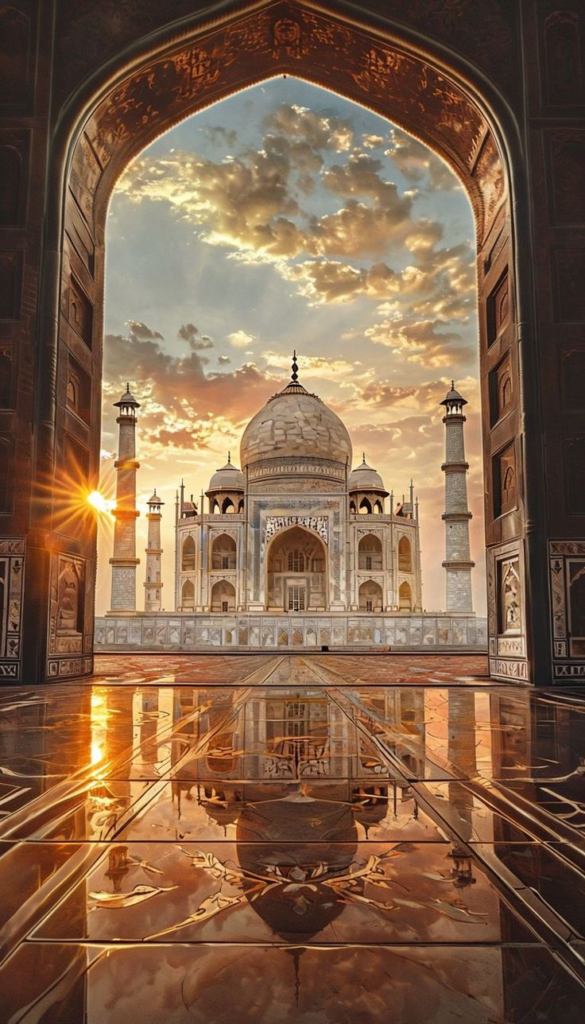
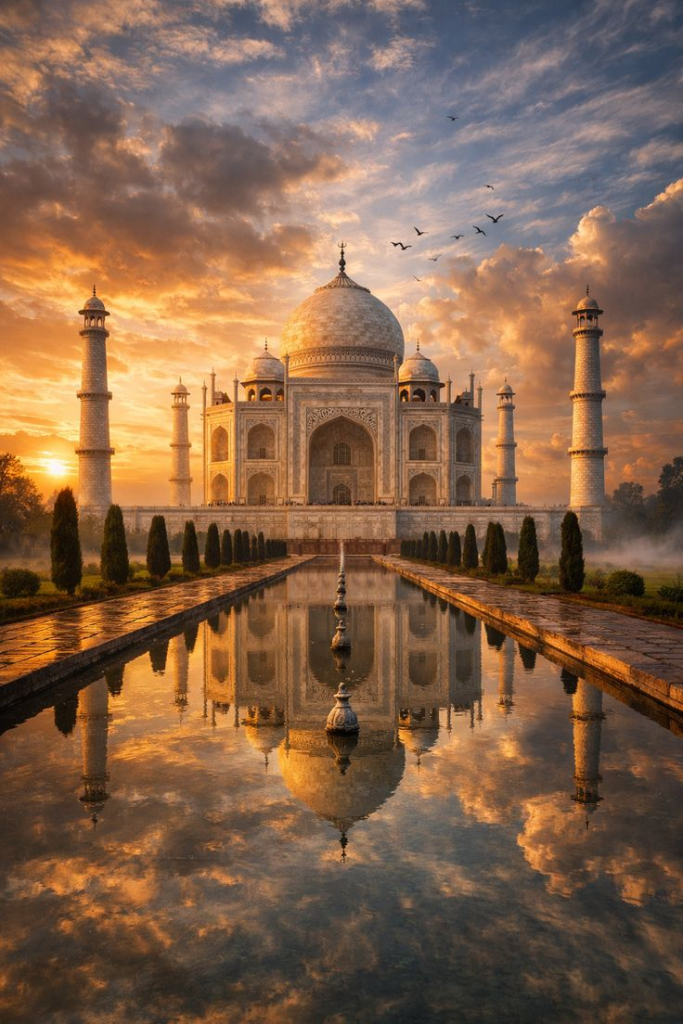
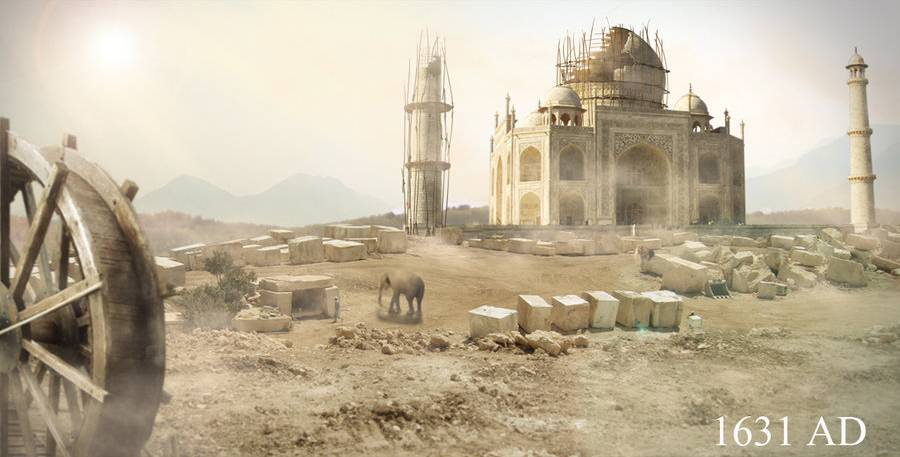
The Taj Mahal was commissioned in 1632 by Mughal Emperor Shah Jahan in memory of his beloved wife, Mumtaz Mahal. Built as a symbol of eternal love, the monument took over two decades to complete and involved thousands of artisans, craftsmen, and laborers from across the empire.
Today, the Taj Mahal stands as a UNESCO World Heritage Site and remains one of the finest examples of Mughal architecture ever created.
Architectural Beauty and Design
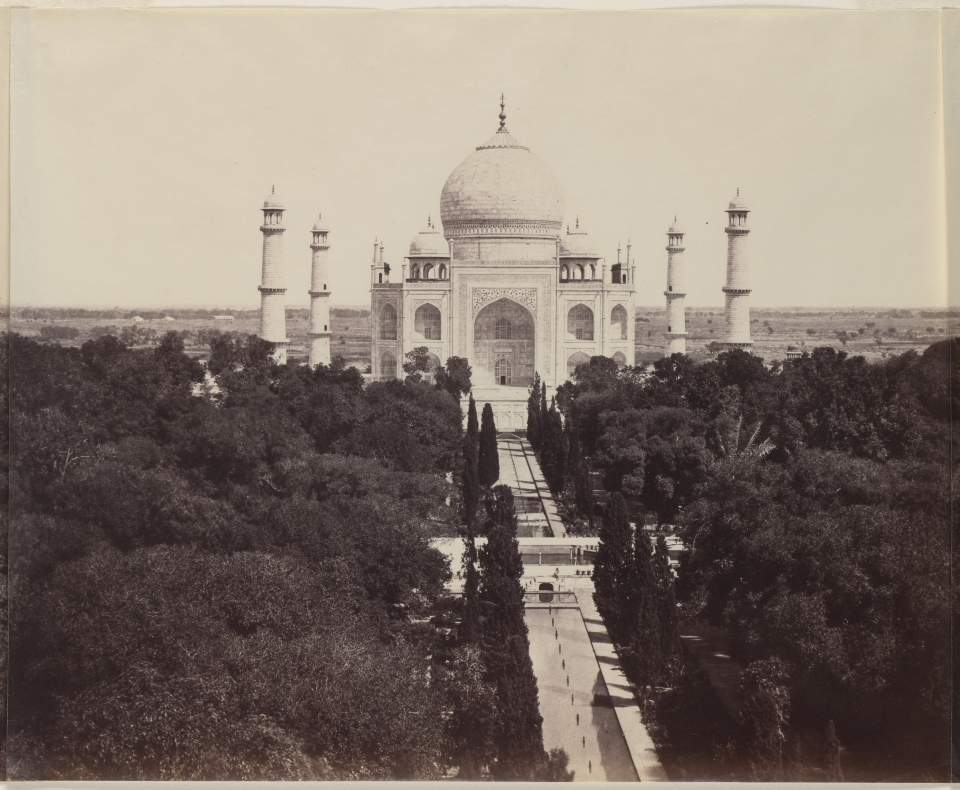
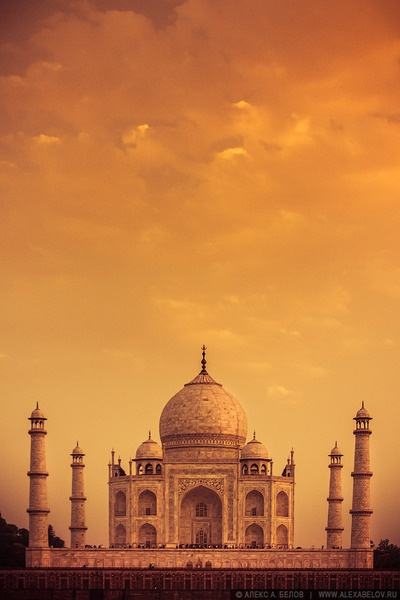
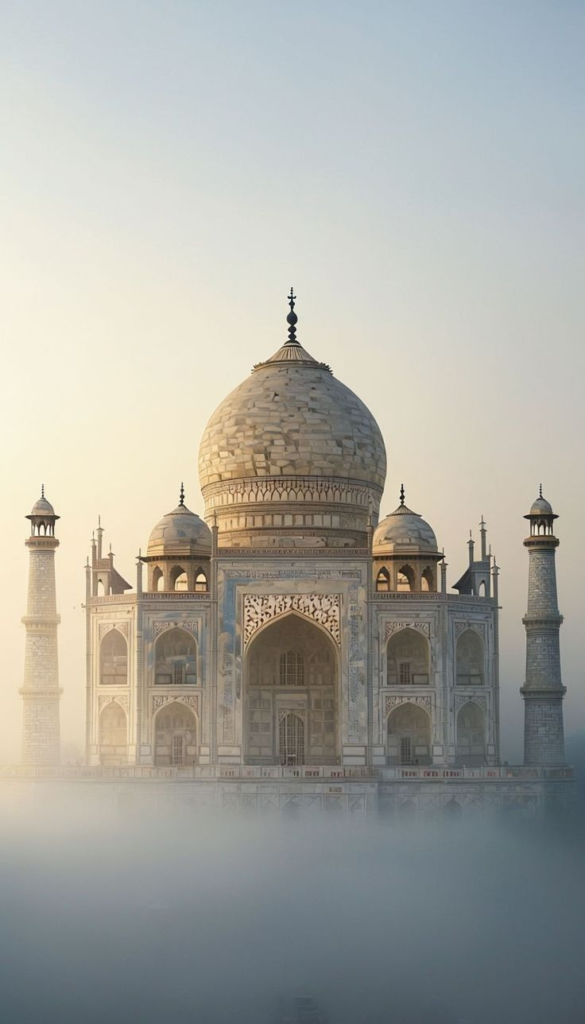
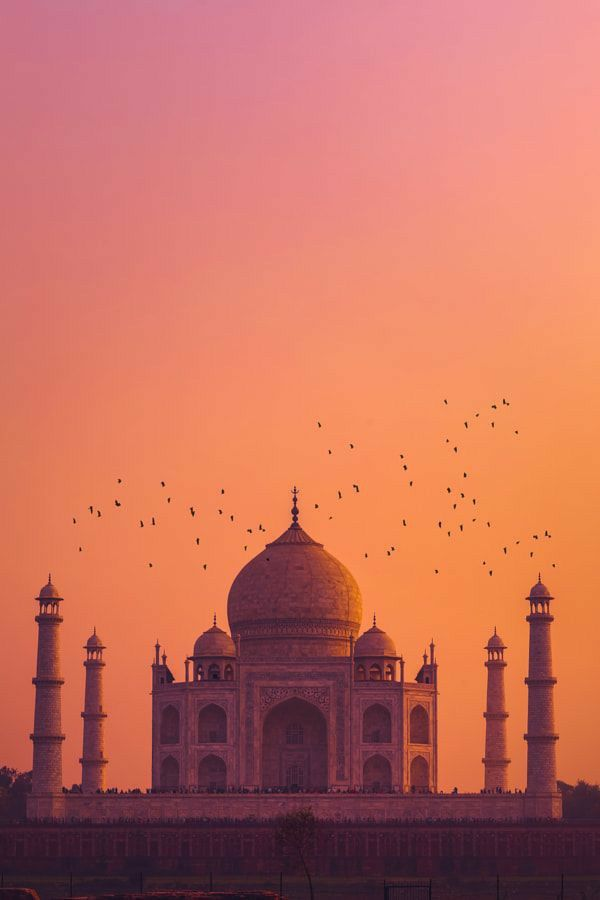
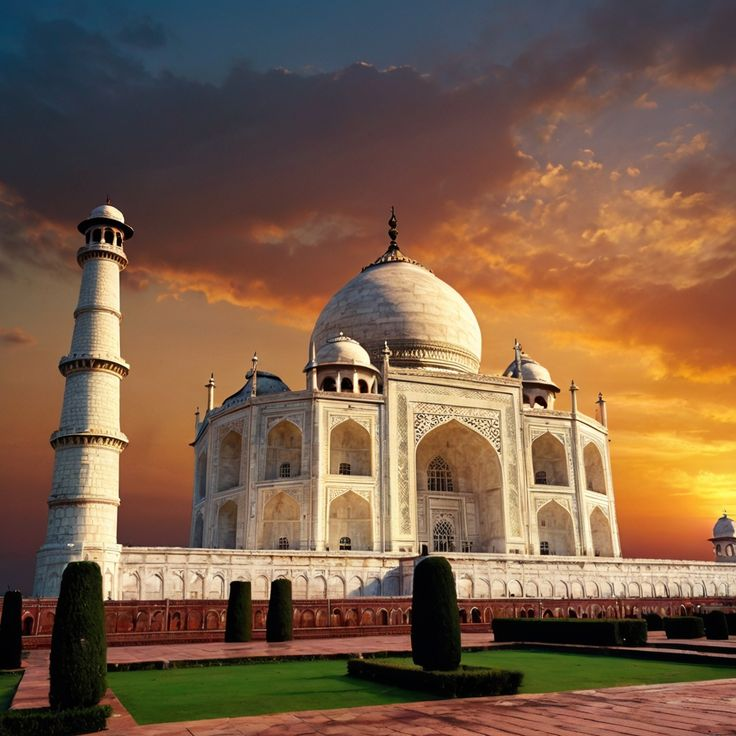
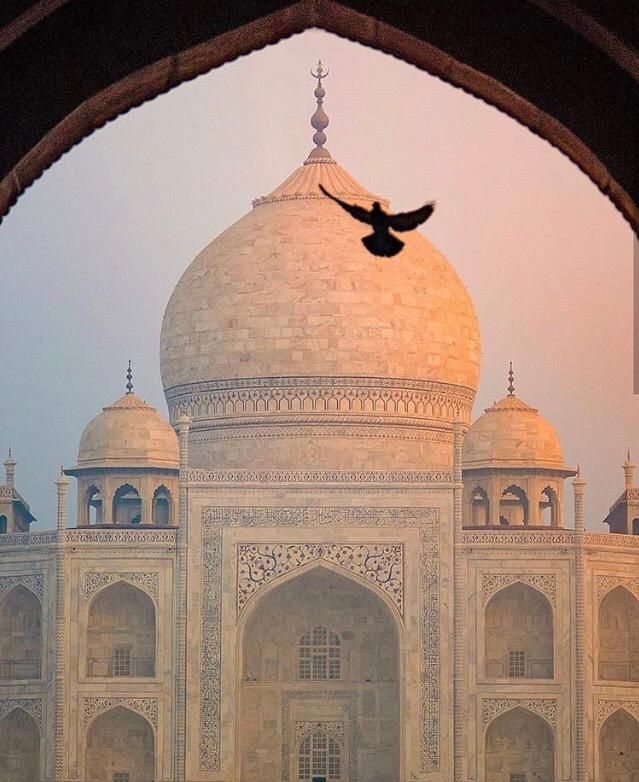
What makes the Taj Mahal truly breathtaking is its perfect balance and symmetry. Constructed entirely of white marble, the structure changes color depending on the time of day, appearing soft pink at sunrise, bright white during the day, and golden under moonlight.
Key architectural highlights include:
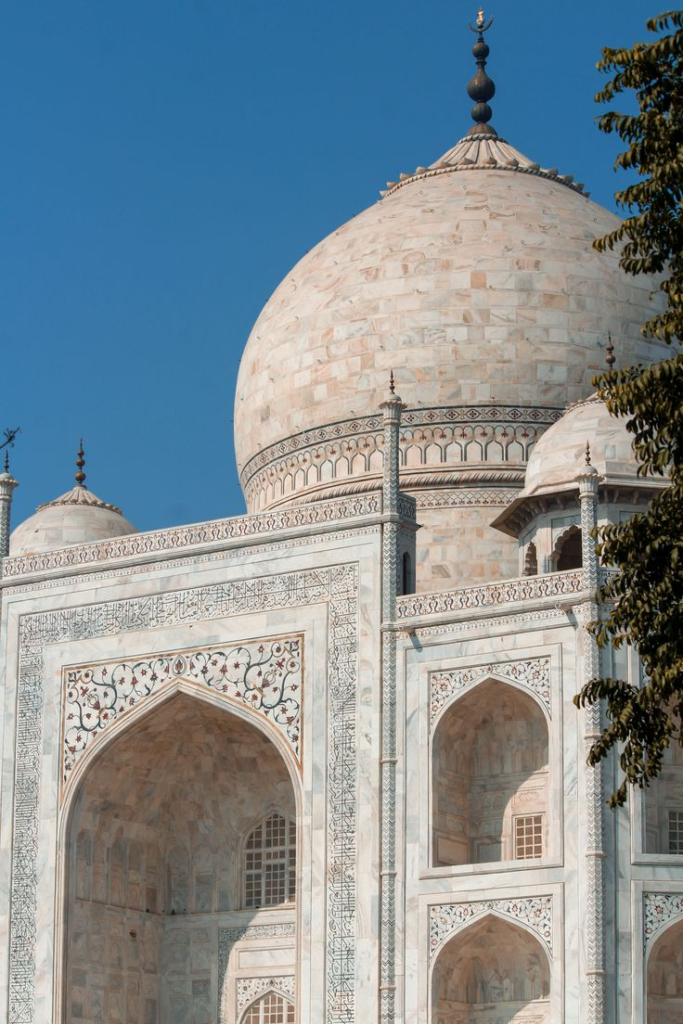
- The grand central dome
- Four slender minarets surrounding the mausoleum
- Intricate marble inlay work with semi-precious stones
- Beautiful calligraphy from the Quran
Every detail, no matter how small, reflects remarkable craftsmanship and artistic precision.
Best Time to Visit the Taj Mahal
The best time to visit the Taj Mahal is between October and March, when the weather is pleasant and ideal for sightseeing. Summers in Agra can be extremely hot, while monsoon season brings humidity and occasional rain.
Early morning visits are highly recommended, as the monument is less crowded and the soft light enhances its beauty.
Taj Mahal Timings and Entry Information
The Taj Mahal is open every day except Friday.
General visiting hours:
- Sunrise to sunset
- Night viewing available on select full moon nights
Entry tickets can be purchased online or at designated ticket counters near the monument. Separate pricing applies for Indian and international visitors.
Rules and Guidelines for Visitors
To preserve the monument, certain rules are strictly enforced:
- Large bags, food items, and electronic devices are not allowed inside
- Smoking and tobacco products are prohibited
- Visitors must wear shoe covers or remove footwear inside the mausoleum
Following these guidelines ensures a respectful and smooth visit.
How to Reach the Taj Mahal
Agra is well connected by road, rail, and air.
Travel options include:
- Trains from Delhi and major cities
- Road trips via expressways
- Flights to Agra Airport or nearby cities
From Agra city, the Taj Mahal is easily accessible by taxi, auto-rickshaw, or e-rickshaw.
Photography Tips
hotography is allowed in most areas of the Taj Mahal complex, except inside the main mausoleum. To capture the best photos:
- Visit early in the morning
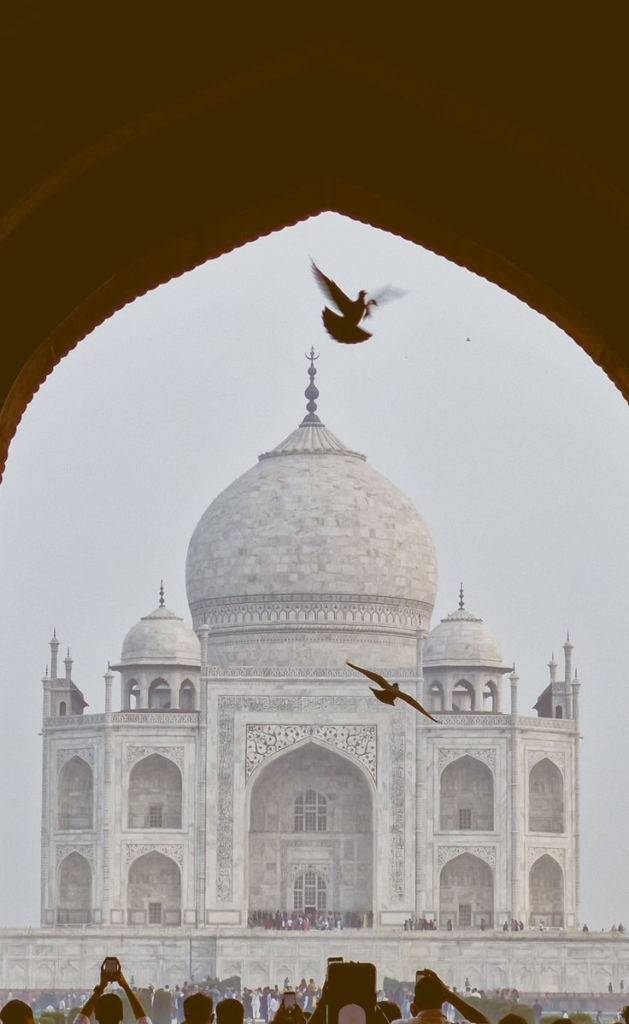
- Use wide-angle shots to capture symmetry
- Explore different viewpoints within the gardens
Patience and timing can make a big difference.
Nearby Attractions to Explore
Agra offers more than just the Taj Mahal. Consider visiting:
- Agra Fort
- Mehtab Bagh for sunset views
- Itmad-ud-Daulah’s Tomb
These sites add depth to your Agra travel experience.
Final Thoughts
Visiting the Taj Mahal is more than ticking off a tourist attraction; it is about witnessing a timeless story carved in marble. Its beauty, history, and emotional significance make it a place that truly deserves its status as one of the wonders of the world. With proper planning and respect for its heritage, your visit to the Taj Mahal can become a lifelong memory.
The information provided in this article is for general guidance only. Timings, ticket prices, and rules may change based on government regulations or seasonal conditions. Visitors are advised to check official sources before planning their trip.
#TajMahal #AgraTravel #IndiaTourism #HistoricalMonuments #TravelIndia #UNESCOWorldHeritage #TajMahalVisit #Anslation #Carrerbook

The Ultimate Italy Travel Guide: Best Places to Visit for First-Timers
Italy has a way of staying with you long after you leave. It lives in…

Exploring the Luxury of Burj Al Arab: Is It Worth It?
When people imagine ultimate luxury in Dubai, one name instantly comes to mind — Burj…

Cancún Uncovered: Beaches, Culture, and Hidden Gems You Need to See
Cancún is more than just a postcard-perfect destination with turquoise waters and white sandy beaches….
Taj Mahal in India: Everything You Need to Know Before Visiting
The Taj Mahal is not just a monument; it is an experience that stays with…
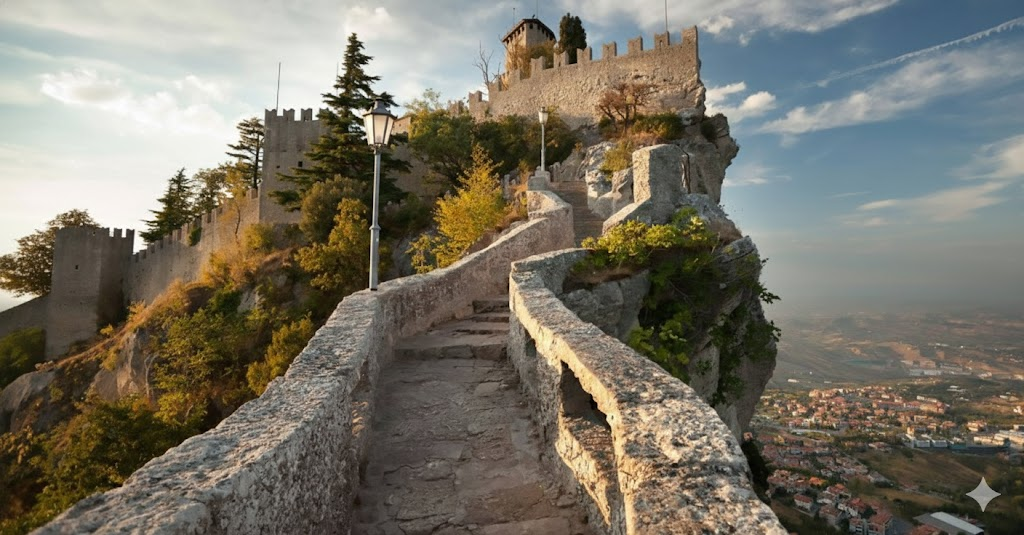
San Marino Travel Guide: Everything You Need to Know About Europe’s Oldest Republic
Tucked away in the rolling hills of northern Italy is one of Europe’s most fascinating…

Alton Towers Removes Special Access for Visitors With ADHD and Anxiety
Alton Towers, one of the United Kingdom’s most popular theme parks, has recently updated its…