

Stress is not “all in your head”—it causes actual, physical changes in your body. Under stress, your brain releases the hormones cortisol and adrenaline, getting your body ready for “fight or flight.” This reaction helps in an emergency, but extended stress keeps cortisol and adrenaline coursing through your system for too long, causing weariness, unease, sleeping problems, and even chronic medical conditions such as heart disease and compromised immunity.
Stress also impairs memory, concentration, and decision-making because it interferes with the ability of the brain to process information. That is why individuals get confused, forgetful, or lack focus while under stress.
What is stress management?
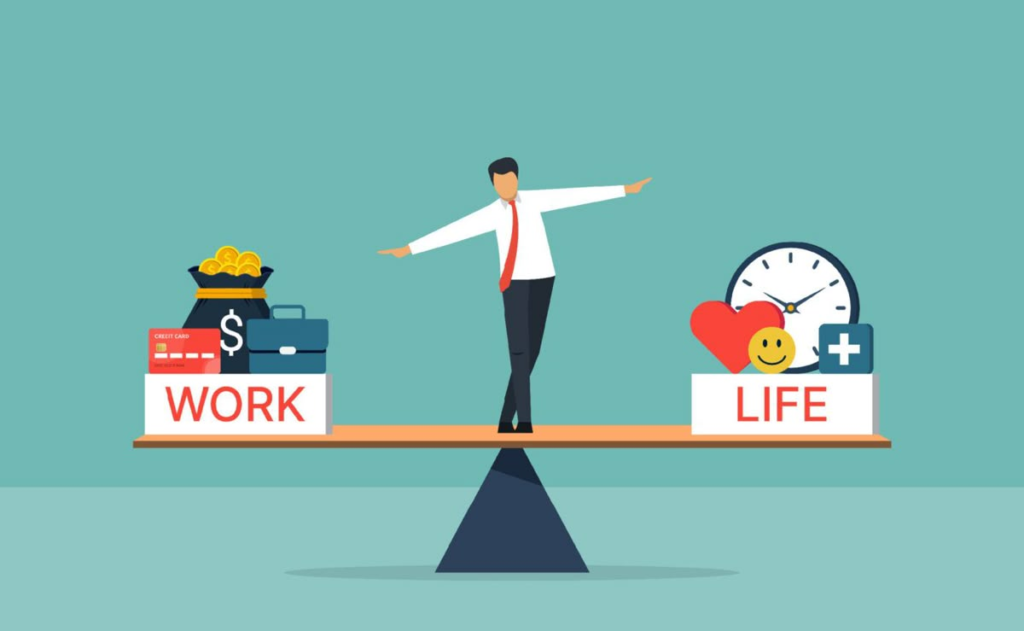
Stress management involves using various techniques and coping strategies to manage your overall stress levels, improve how you react to stressful things in your life, and build resilience.
It may seem like there’s nothing you can do about stress—no way to avoid it and no way to de-stress completely when it hits. The bills won’t stop coming, there will never be more hours in the day, and your work and family responsibilities will always be demanding. But the truth is, you have a lot more control over stress than you may think. In fact, the simple realization that you’re in control of your life is the foundation of stress management.
Managing stress is all about taking charge: of your thoughts, emotions, schedule, environment, and the way you deal with problems. The ultimate goal is a balanced life, with time for work, relationships, relaxation, and fun—plus the ability to hold up under pressure and meet challenges head on.
But there’s no one-size-fits-all solution to stress management. That’s why it’s important to experiment and find out what works best for you. Whether you’re looking to reduce your overall stress levels, avoid unnecessary stressors in your life, or deal with stress in the moment, the following stress management techniques and strategies can help.
Matching types of stress to stress management techniques
Before exploring stress management techniques, it’s important to recognize that stress can show up in different forms. As you’ll discover, the techniques you rely on to calm yourself may vary depending on the type of stress you’re dealing with. Some types of stress include acute, episodic acute and chronic stress.
Acute stress. This involves a temporary source of stress. Maybe you’re worried about an upcoming exam, or perhaps you’re stressed about your disorganized family travel plans. Once the event passes, you feel yourself relax.
Episodic acute stress. This is when acute stress is a recurring issue for you. For instance, if you struggle with time management or your study strategies are ineffective, you’ll regularly feel stressed by exams. If you have a hard time setting boundaries at work, you’ll find yourself repeatedly taking on too many responsibilities.
Chronic stress. This is when a stressor looms over you for a long time. Maybe you’re stuck in a tight financial situations for years. Or perhaps you or someone you love is dealing with a long-term health condition. You might feel a sense of hopelessness, as there doesn’t seem to be a break from the stress in sight.
How to manage stress: Practice the 4 As of stress management
There are many healthy ways to reduce stress or cope with its effects, but they all require change. You can either change the situation or change your reaction. When deciding which option to choose, it’s helpful to think of the four As: avoid, alter, accept, or adapt.
1. Avoid unnecessary stress
Not all stress can be avoided, and it’s not healthy to avoid a situation that needs to be addressed. But you may be surprised by the number of stressors in your life that you can eliminate.
Learn how to say “no.” Know your limits and stick to them. Whether in your personal or professional life, taking on more than you can handle is a surefire recipe for stress.
2. Alter the situation
If you can’t avoid a stressful situation, try to alter it. Often, this involves changing the way you communicate and operate in your daily life.
Express your feelings instead of bottling them up. If something or someone is bothering you, communicate your concerns in an open and respectful way. If you don’t voice your feelings, resentment will build and the stress will increase.
4. Accept the things you can’t change
Some sources of stress are unavoidable. You can’t prevent or change stressors such as the death of a loved one, a serious illness, or a national recession. In such cases, the best way to cope with stress is to accept things as they are. Acceptance may be difficult, but in the long run, it’s easier than railing against a situation you can’t change.
Stress Relief Techniques for Couples

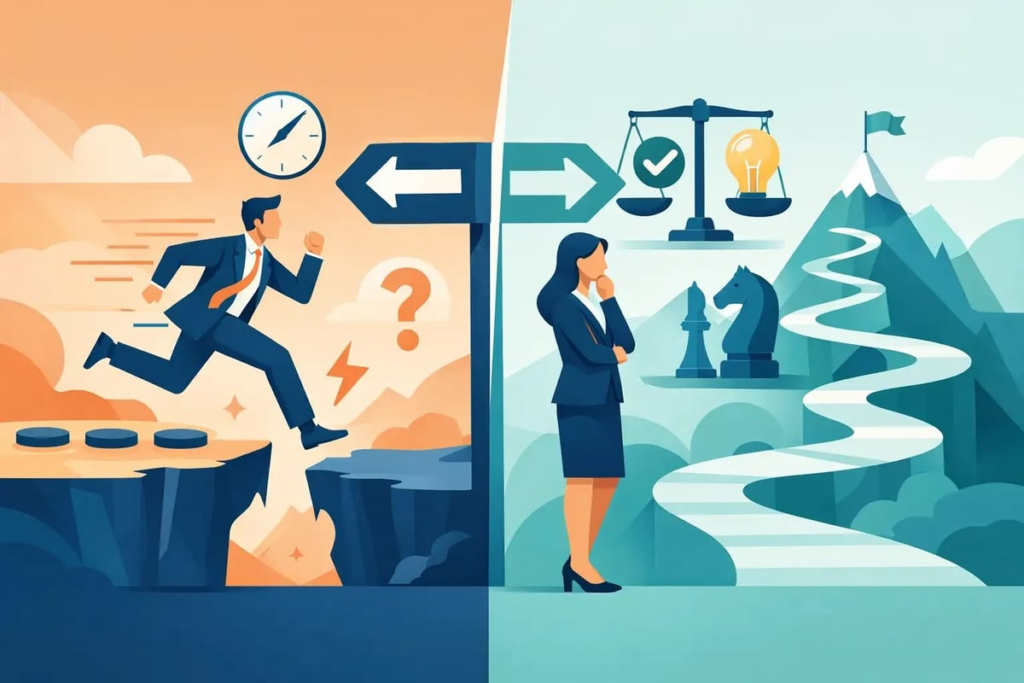

Managing stress together can actually strengthen your bond. Here’s how to support each other:
1. Practice Stress Communication
Learn to communicate when you’re stressed—and what kind of support you need. Sometimes you want advice. Sometimes you just want to vent. Tell your partner which one you need in the moment.
Try saying: “I had a really hard day. Can I just vent for a few minutes? I don’t need advice, just someone to listen.”
2. Create a Stress Signal
Agree on a way to let each other know when you’re feeling overwhelmed. It could be a word, a gesture, or simply saying “I’m at a 7 right now.” This helps prevent misunderstandings when one partner seems short-tempered or distant.
3. Schedule Connection Time
Under stress, quality time together often falls off the priority list. But maintaining your connection is protective against stress spillover.
Even 15-20 minutes of focused time together—without phones or distractions—can help. Try our for simple ways to stay connected.
4. Use the “Stress Reducing Conversation”
Developed by relationship researchers Drs. John and Julie Gottman, this technique involves:
- Taking turns sharing stress from outside the relationship (work, family, etc.)
- The listening partner offers understanding—not advice or solutions
- Show genuine interest and empathy
- Take your partner’s side
This practice helps couples process external stress together rather than letting it damage their relationship.
Types of stress that you might come across are

Acute stress– Acute stress is the type of stress that throws you off-balance momentarily. This is the type of stress that comes on quickly and often unexpectedly and doesn’t last too long, but requires a response and shakes you up a bit, like an argument with someone in your life, or an exam for which you don’t feel adequately prepared.
Your body’s stress response is triggered with acute stress, but you can reverse it with quick relaxation techniques, and then go back to your day feeling less stressed again. These stress relievers can help you to relax and more quickly recover from acute stress.
- Breathing Exercise
- Cognitive Reframing
- Progressive Muscle Relaxation
- Mini-Meditation
Chronic Stress– Chronic stress is the type of stress that tends to occur on a regular basis. This type of stress may leave you feeling drained, and can lead to burnout if it’s not effectively managed. This is because, when the stress response is chronically triggered and the body is not brought back to a relaxed state before the next wave of stress hits, the body can stay triggered indefinitely. Chronic stress can lead to a host of health issues, including cardiovascular disease, gastrointestinal issues, anxiety, depression, and a variety of other conditions. This is why it is important to effectively manage chronic stress. Managing this type of stress often requires a combination approach, with some short-term stress relievers (like those for acute stress), and some long-term stress relief habits that relieve overall stress. (Different emotion-focused coping techniques and solution-focused coping techniques are important as well.)
- Exercise
- Maintaining a Healthy Diet
- Cultivate Supportive Relationships
- Regular Meditation
- Pursuing a Hobby
Emotional Stress-The pain of emotional stress can hit harder than some other types of stress. For example, the stress that comes from a conflicted relationship tends to bring a greater physical reaction and a stronger sense of distress than the stress that comes from being busy at work. Therefore, it is important to be able to manage emotional stress in effective ways. Strategies that help you to process, diffuse, and build resilience toward emotional stress can all work well, and different approaches can work in different situations. Here are some ways to manage emotional stress.
- Writing a journal and noting down the emotions
- Talking to a trusted one
- Practicing mindfulness can help you calm down the present emotions
- Consult a Therapist if necessary
Burnout-Burnout is the result of the prolonged chronic stress of situations that leave people feeling a lack of control in their lives. Certain conditions of a job can create a greater risk of burnout, including not only a high level of demands, but also unclear expectations, lack of recognition for achievements, and a high level of risk of negative consequences when mistakes are made. Once you reach a state of burnout, it is difficult to maintain motivation to work and accomplish what you need to accomplish, and you can feel chronically overwhelmed. In addition to the strategies that work well for chronic stress and emotional stress, the following strategies can help you to come back from a state of burnout—or prevent it entirely.
- Take some time off
- Get more humor in life
- Try to find fun at work
- Try and utilize the time out of work to rejuvenate yourself
It is true that some simple daily management techniques can make a huge difference in your life and can help you deal better with stress. But sometimes it can be hard to cope with stress on a regular basis and when none of the daily management works it is recommendable to go a therapist. Some therapies that work best for stress are :-
- CBT– Cognitive Behavioural Therapy– Therapy that helps you understand your thought patterns, recognize your trigger points and identify positive actions you can take.
- MBSR- Mindfulness-Based Stress Reduction- – Mindfulness-Based Stress Reduction based stress reduction (MBSR) combines mindfulness, meditation and yoga with a particular focus on reducing stress.