
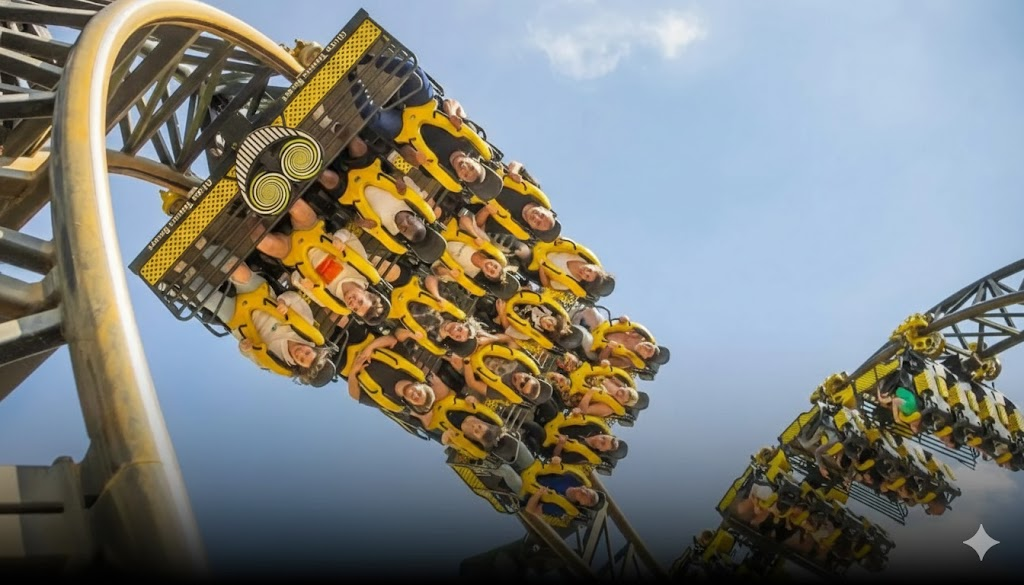
Alton Towers, one of the United Kingdom’s most popular theme parks, has recently updated its disability pass policy, removing special access for guests with ADHD and anxiety. The change affects individuals who previously used the pass to manage queue times and enjoy rides with additional support due to neurodivergent conditions or mental health challenges.
The move has sparked discussion across social media and among advocacy groups, with many questioning the fairness and accessibility of the new policy.
What the Change Means
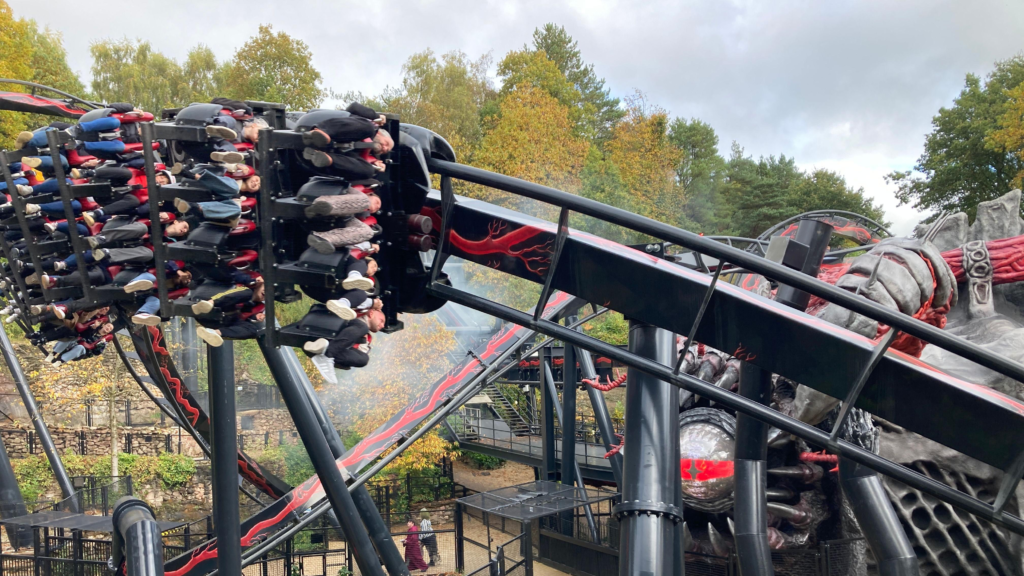
Previously, Alton Towers allowed guests with a range of disabilities—including ADHD and anxiety—to use a disability pass, providing priority access to rides and attractions. The park’s latest announcement states that the pass will no longer apply to individuals with ADHD or anxiety unless they meet other eligibility criteria tied to physical or mobility impairments.
This change is aimed at standardizing the use of disability passes across all visitors, though it has prompted concern among guests who rely on these accommodations to fully enjoy the park experience.
Reactions From Guests and Advocacy Groups

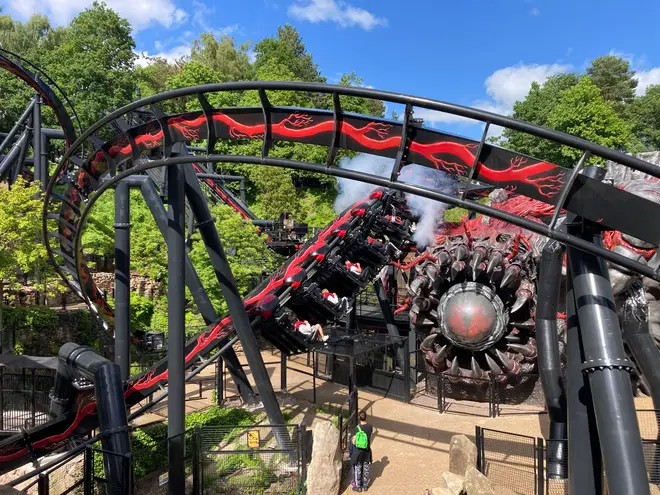
Responses to the policy shift have been mixed. Some visitors understand the need for consistent rules, while others argue that removing support for mental health and neurodivergent conditions overlooks the daily challenges these guests face.
Advocacy groups emphasize that ADHD, anxiety, and other invisible conditions can significantly affect a person’s ability to navigate crowded spaces or cope with sensory overload—common experiences at theme parks. Critics say the update may disproportionately affect neurodivergent guests and exclude them from enjoying the park safely and comfortably.
Alton Towers’ Statement

Alton Towers has released a statement clarifying the policy, explaining that the change is meant to ensure fairness and prevent misuse of the pass. The park highlighted its commitment to providing a safe and enjoyable environment for all guests but did not specify alternative support options for those affected by the update.
Guests are encouraged to review the park’s current access guidelines before visiting to understand eligibility and explore potential accommodations.
What Visitors Can Do
For individuals affected by the policy change, there are a few steps to consider:
- Check official guidelines: Review the updated disability pass policy on Alton Towers’ website.
- Contact guest services: Reach out to the park directly to discuss any potential support or accommodations.
- Plan visits strategically: Visiting during off-peak times may reduce wait times and make the experience more manageable.
- Advocate for change: Feedback from guests can influence future policy adjustments, particularly regarding mental health and neurodivergent accessibility.

The Ultimate Guide to Modak: Easy Recipes, Types, and Festive Ideas
ModakWorld is the world’s only resource dedicated entirely to modak. Before this site, no single…
Final Thought
The removal of special access for visitors with ADHD and anxiety at Alton Towers highlights a broader conversation about accessibility in public spaces. While the park aims to standardize its disability pass usage, the change underscores the ongoing need to consider invisible disabilities and mental health challenges when designing accommodations. For many guests, ensuring equitable access goes beyond physical ability and includes recognizing diverse neurological and emotional needs.
The information in this article is based on publicly available announcements and reports. Policies at Alton Towers are subject to change, and guests should consult official park resources for the most accurate and up-to-date information.
#AltonTowers #DisabilityAccess #ADHD #AnxietyAwareness #ThemeParkNews #Accessibility #Neurodiversity #UKThemeParks #Anslation #Carrerbook
The Ultimate Guide to Modak: Easy Recipes, Types, and Festive Ideas
ModakWorld is the world’s only resource dedicated entirely to modak. Before this site, no single…

The Ultimate Guide to Wellness Tips: Simple Ways to Live a Healthier Life
Building a healthier life does not require dramatic overhauls or expensive interventions; it begins with…

The Best Cultural Destinations to Explore Around the World
World Heritage Sites, storied museums, ancient crafts—these destinations offer unique experiences to remember. The Travellers’…

The Ultimate Guide to Pizza: Types, Toppings, Recipes, and More
Great pizza is the result of good dough and intense heat. Your creativity dictates the…

The Ultimate Guide to Lifestyle and Aesthetic: Trends, Ideas, and Inspiration
Ready for the most fashionable aesthetics of 2025? Remember we had 18 types of aesthetics…

The Ultimate Guide to Main Dishes: Delicious Recipes for Every Meal
When the clock is ticking, mastering quick weeknight meal prep saves the day. You do…